1800 266 8484
 9321914991
 vacations@tbi.co.in


Planning a Switzerland Tour Package for Two: Routes, Stays and Tips
 Nov 17, 2026
Switzerland offers plenty of reasons to linger, yet an itinerary packed with famous stops can leave little time to enjoy them together. Every hotel change introduces packing, luggage handling and another journey, while additional excursions can stretch the budget. The challenge is choosing what matters most – not fitting everything into one holiday.
Start planning a Switzerland tour package for a couple by agreeing on your dates, spending comfort and preferred pace. Then compare routes, accommodation and experiences against those priorities. This guide explains how to choose a manageable itinerary and understand its full cost before booking.
Decide what kind of Switzerland experience you want
Before reviewing packages, each of you should choose three priorities and one thing you would rather avoid. Your lists might include mountain scenery, lakeside walks, photography, scenic trains, snow experiences, adventure or relaxed city time. Discussing these preferences early helps prevent a holiday that suits one traveller but exhausts the other.
Use this decision guide to shape your enquiry:
| Your priority | What to favour | What to check |
| Mountains and photography | Longer stays in a scenic base | Excursion flexibility and weather alternatives |
| Lakeside relaxation | Walkable stays and free afternoons | Hotel location and room outlook |
| Scenic rail travel | Journeys treated as activities | Connections, luggage and reservations |
| Snow or adventure | Selected activity-focused days | Operating dates, suitability and insurance |
| A balanced first visit | Scenery plus a cultural stop | Hotel changes and daily travel demands |
Destination ideas such as Lucerne, Interlaken and Zermatt can form an initial shortlist, not an automatic checklist. Explore Trails Blazer Tours’ Swiss scenic routes and alpine experiences to identify what appeals to you. Your travel month, budget and tolerance for changing hotels should determine which options remain.
Choose destinations around a realistic route
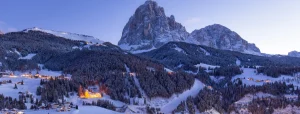
A useful starting point is one or two scenic bases, with a city or cultural stop if your available nights allow. A base simply means somewhere you stay while exploring nearby places. Count usable sightseeing days separately from international travel days, and avoid treating arrival afternoon as a full excursion day.
Several bases offer variety but require more transitions; fewer bases offer familiarity and less packing. Neither approach is universally better, because a single base can also create lengthy return journeys. Ask your planner to explain the geographical logic, identify backtracking and show door-to-door travel rather than just the main train journey.
As an illustrative planning exercise, consider seven to nine nights with two main bases rather than nightly moves. This is a suggested pace, not a rule or a confirmed route. Keep some unscheduled time so that a long lunch or a change of plans does not disrupt the entire holiday.
Choose stays for comfort, not just category
A hotel’s category tells only part of the story. Location, room layout and access to planned activities may matter more to your daily experience. A lower room rate can lose its advantage if it creates additional transfers or makes returning for a rest inconvenient.
Compare these accommodation details:
- Exact location and access from the station or transfer drop-off.
- Confirmed room category, bedding and any guaranteed view.
- Breakfast inclusion and dietary arrangements.
- Lift access, luggage storage and privacy.
- Cancellation terms and substitution conditions.
Distinguish a requested feature from a confirmed inclusion. A lake view, balcony or particular bed arrangement should appear in writing if it influences your decision. Compare the complete stay rather than assuming every room within the same hotel offers an equivalent experience.
Make transport support your pace
Trains, shared transfers and private vehicles can each suit different parts of a holiday. Assess them against luggage handling, walking requirements, connections and flexibility – not price alone. Private transport may simplify a particular transfer, while a scenic rail journey may deserve time as an experience itself.
For rail-based proposals, ask which tickets or passes are included and whether reservations cost extra. Use the official information on rail offers for visitors from abroad alongside the package’s written transport breakdown. Do not assume that a pass covers every excursion, upgrade or reservation mentioned in the itinerary.
Protect arrival and hotel-change days from excessive sightseeing. Allow for check-out, reaching the departure point, connections and getting to the next hotel. One main activity with optional exploration afterwards is often a more comfortable planning choice than several fixed commitments.
What should a Switzerland package for two include?
There is no universal inclusion list for a couple’s Switzerland holiday package. Ask for a day-by-day itinerary and a written breakdown before comparing quotations. Every component should be marked included, optional at extra cost or payable separately.
| Component | Details to request |
| Flights | Departure city, baggage and fare conditions |
| Accommodation | Nights, location, room category and breakfast |
| Transfers | Exact journeys and shared or private arrangements |
| Transport | Tickets, passes, class and reservations |
| Sightseeing | Admissions, guided services and excursion scope |
| Meals | Included meals and dietary provisions |
| Documentation | Visa assistance and insurance responsibilities |
| Support | Contact arrangements and service availability |
For a Switzerland tour package for couples travelling from India, establish whether the quotation includes international flights or begins on arrival. Clarify whether sightseeing means transport, entry, guiding or all three. Also distinguish help with visa paperwork from the visa decision itself.
Understand the total cost from India
The estimated cost of a Switzerland trip for a couple travelling from India depends on season, departure city, duration, hotel category, exchange rates and service choices. An advertised package amount may represent only part of the holiday. Build your budget around both travellers’ total expected spend, without adding items already included.
Use this calculation:
Total budget for two = quoted package + excluded flights and services + meals and activities paid separately + documentation and insurance + personal spending + contingency.
Work through these categories:
- International flights: baggage, connections and fare flexibility.
- Accommodation: room upgrades and separately payable charges.
- Transport: airport journeys, local travel and reservations.
- Experiences: admissions, excursions and optional activities.
- Daily spending: meals, drinks and personal purchases.
- Travel preparation: visa-related expenses and insurance.
- Payments: exchange-rate changes and applicable payment charges.
Switzerland Tourism’s daily-budget guidance can provide context for independent spending, but it is not a personalised package quotation. Check its scope before using it in your calculations. Your actual spending will depend on what the package already covers.
Documentation also belongs in the budget from the outset. Indian passport holders generally need a Schengen visa for a short Swiss visit, subject to applicable exemptions. For a uniform Schengen visa application, the Visa Code specifies travel medical insurance with minimum coverage of €30,000; this is an insurance coverage requirement, not the premium you pay.
Compare three planning approaches
| Approach | Priorities |
| Economy-conscious | Fewer bases, practical accommodation, standard or shared transport, selected paid experiences |
| Balanced | Comfortable stays, manageable routing, key sightseeing and optional extras |
| Premium | Higher-category rooms, more private services and upgraded experiences |
These are planning categories, not fixed price bands or confirmed package offerings. Request a personalised quotation for your actual dates and compare the same specifications across providers. Trails Blazer Tours’ Europe budgeting guide for Indian travellers offers further planning considerations beyond the headline fare.
Personalise the holiday without adding more stops
Personalisation should make the trip fit you better, rather than simply make it busier. A honeymoon might benefit from fewer early starts, while a photography-focused holiday might need flexible excursion days. An anniversary celebration could justify prioritising one special stay over an additional destination.
Share mobility requirements, dietary needs, adventure interests and preferred hotel category before the route is finalised. Ask what can be confirmed, what remains a request and what involves an additional charge. Trails Blazer Tours can help shape customised tour plans around your preferences, with specific arrangements subject to availability and the agreed quotation.
Confirm these details before paying
Treat your final review as a joint decision, with both travellers reading the itinerary and conditions. Check that the written proposal reflects the discussions that influenced your choice. Resolve unclear items before making a payment rather than relying on assumptions.
- Travel dates, flexibility, departure city and flight assumptions.
- Total nights, destinations, hotel changes and daily travel demands.
- Hotel locations, room categories and confirmed features.
- Transport, sightseeing, meals and optional activity costs.
- Visa, insurance and documentation responsibilities.
- Quotation currency, validity, payment schedule and exchange-rate terms.
- Cancellation, amendment and supplier substitution policies.
- Emergency contacts, on-trip assistance and support availability.
Frequently asked questions
How many days are enough for a first trip as a couple?
Seven to nine nights can be a useful starting point for a two-base proposal. Treat this as a pacing suggestion, not a minimum requirement. A shorter holiday should generally cover less rather than compress the same sightseeing.
Is one base better than several destinations?
One base reduces packing but may involve longer return journeys. Several bases can suit a wider route, although each move uses time and energy. Compare total travel demands before choosing.
What is usually included in a package for two?
Proposals may combine accommodation, transport and selected sightseeing. Flights, meals, transfers and documentation support vary between packages. Only the written inclusion list establishes what you are purchasing.
How much should we budget from India?
There is no single reliable total without dates and specifications. Request a quotation for both travellers, then add excluded expenses and a contingency. Confirm whether the advertised amount is per person or for two.
Can we customise a honeymoon or anniversary itinerary?
Ask about adjustments to pace, accommodation and celebration experiences. Availability and additional charges should be confirmed before booking. Removing a stop can sometimes improve the holiday more than adding an activity.
Are trains, meals, transfers and sightseeing always included?
No; these are separate components unless explicitly bundled. A rail pass does not establish that every planned journey or excursion is fully covered. Request itemised confirmation for each day.
What is the fairest way to compare package prices?
Compare identical dates, nights, room categories, transport arrangements and experiences. Then account for exclusions, flexibility and support. The lower quotation is better value only if it meets your priorities at an acceptable total cost.
Plan around the time you want together
The right Switzerland package balances scenery and romance with comfortable stays, realistic journeys and transparent costs. Choose it for the holiday you want to share – not the longest destination list. Contact Trails Blazer Tours with your dates, departure city, budget and must-see experiences to request a couple-focused itinerary and quotation.