1800 266 8484
 9321914991
 vacations@tbi.co.in


Temples of South India: History, Heritage and Must-See Sites
 Nov 20, 2026
A towering gateway may draw you towards a South Indian temple, but its appearance tells only part of the story. Inside and around these sacred spaces, worship, sculpture, music, trade and community life remain closely connected. For travellers, the challenge is not simply choosing famous names: it is understanding what makes each place different.
The temples of South India reward that deeper attention. Monumental complexes reveal royal ambition, Murugan shrines introduce distinctive Tamil pilgrimage traditions, and temples associated with Rama connect sacred storytelling with particular landscapes. Surrounding streets, flower stalls and local kitchens extend the experience beyond the entrance.
This curated introduction brings together significant landmarks, historical context and practical planning advice. Rather than treating temples as isolated attractions, it approaches them as living cultural landscapes deserving time, curiosity and respect.
Understanding South India’s temple heritage
There is no single South Indian temple style or visitor experience. A coastal Pallava monument, a Chola sanctuary and a sprawling temple town reveal different periods, patrons and religious traditions. Even within one complex, additions made across generations can create several layers of history.
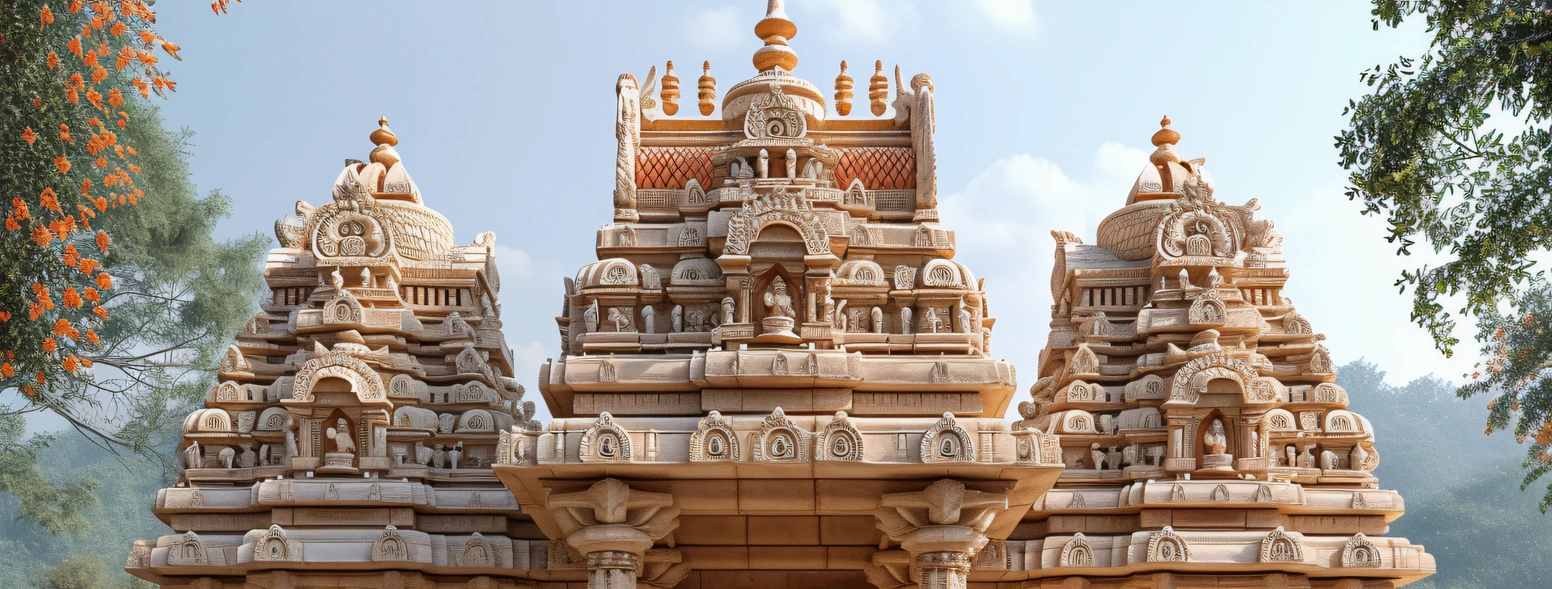
Two architectural terms help first-time visitors: a gopuram is a monumental entrance gateway, while a vimana rises above a sanctuary. Their relative prominence varies between sites, so looking only for the tallest gateway can mean overlooking the building’s central architectural achievement. UNESCO’s description of the Great Living Chola Temples highlights their architecture, sculpture, painting and bronze casting.
When comparing destinations, consider historical period, architectural character, religious tradition, physical scale and surrounding experiences. Leave room for markets, crafts and regional food alongside formal sightseeing. This is a selective introduction, not an exhaustive catalogue of the region’s sacred places.
Must-see temples and temple towns
Mahabalipuram: a coastal introduction
South of Chennai, Mahabalipuram offers an accessible introduction to Pallava craftsmanship. Its seventh- and eighth-century monuments include rock-cut sanctuaries, chariot-shaped temples and the Shore Temple, allowing visitors to compare different ways of working with stone. The coastal setting makes this a natural opening to a Tamil Nadu journey; plan walking around the heat and distinguish archaeological visiting arrangements from worship access elsewhere.
Thanjavur: Chola ambition in stone
Thanjavur’s Brihadisvara Temple makes an instructive contrast with gateway-dominated complexes: attention centres on its monumental sanctuary tower. It belongs to the UNESCO-listed Great Living Chola Temples, together with Gangaikondacholapuram and Darasuram. Allow time for the courtyard and sculptural detail, then explore Thanjavur’s wider artistic heritage rather than making the temple a hurried roadside stop.
Srirangam: a temple within a town
Near Tiruchirappalli, Sri Ranganathaswamy Temple introduces a different relationship between sacred space and everyday life. Dedicated to Ranganatha, a reclining form of Vishnu, its seven enclosures and 21 gopurams create a layered approach through the complex. Combine the visit with Tiruchirappalli, but allow generous walking time and check which inner areas are accessible to your party.
Madurai: worship and urban life
Madurai’s Meenakshi Sundareswarar Temple is an important choice for travellers interested in an active temple-city experience. Its sculpted gateways and surrounding commercial streets invite attention to both architecture and the rhythms of worship. Build in time for the neighbourhood, and confirm current entry, dress and device restrictions through the temple administration or the Tamil Nadu temple information portal.
Hampi: sacred architecture in an imperial landscape
In Karnataka, Hampi places temples within the remains of the Vijayanagara capital. Its UNESCO-listed ensemble includes the Virupaksha, Vitthala and Hazara Ramachandra temples, offering contrasting settings and architectural experiences. Treat Hampi as a separate regional stay rather than a quick Tamil Nadu extension; its dispersed landscape requires transport planning, walking breaks and protection from the sun.
Which temples are the biggest or largest?
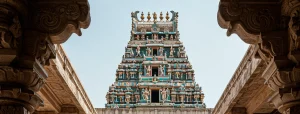
“Biggest” needs a definition before it becomes a useful comparison. Total enclosed area, sanctuary height, gateway height and the extent of a surrounding sacred town measure different things. Historical importance and fame are not physical measurements at all.
Srirangam is a strong answer for travellers asking about the largest temple complexes in South India: its complex covers approximately 156 acres. That figure describes its extensive footprint, not a claim that every architectural element is the region’s largest. Thanjavur offers a contrasting expression of monumentality through its commanding sanctuary tower.
For itinerary planning, the distinction matters practically. A sprawling complex requires time for navigation and walking, while a concentrated architectural monument rewards close observation. Choose the kind of experience you want rather than pursuing an unsupported single ranking.
Murugan temples and their traditions
Murugan, also known as Subrahmanya, has a particularly important place in Tamil religious life. Murugan temples in South India should nevertheless be approached individually: setting, local narratives and worship practices distinguish one pilgrimage destination from another. Palani provides a useful starting point for understanding that relationship between place and devotion.
In Tamil Nadu’s Dindigul district, the hilltop Dhandayuthapani Swamy Temple is one of Murugan’s six sacred abodes. Its elevated setting makes access planning especially relevant for families and travellers with limited mobility. Check currently operating ascent options and arrangements rather than assuming the climb or alternative transport will suit everyone.
The Panguni Uthiram festival at Palani offers another dimension to the destination. Travellers seeking a festival experience should plan accommodation and access carefully. Those preferring a quieter introduction should check the calendar before choosing dates.
Temples associated with Rama
Temples dedicated to Rama form a distinct strand within South India’s wider temple heritage. Hampi’s Hazara Ramachandra Temple is a relevant example, with Ramayana scenes carved in relief on its walls. It gives culturally curious visitors a way to explore how sacred narratives were expressed through architecture and sculpture within an imperial setting.
Rameswaram requires a different distinction: Ramanathaswamy is a Shiva temple associated with Rama in religious tradition, rather than simply a temple dedicated to Rama. Keeping dedication and narrative association separate helps travellers understand what they are visiting. A Rama-focused itinerary should therefore identify whether the priority is worship, storytelling, architecture or pilgrimage geography.
How to plan a meaningful temple itinerary
Begin with one geographical cluster instead of attempting several states in a short holiday. A Tamil Nadu route can connect coastal monuments, Chola architecture and active temple towns, while Hampi deserves its own Karnataka planning. Use these South India temple route and travel-planning tips as a starting framework, then adapt the pace.
Allow substantial time for large complexes, including footwear storage, security procedures, queues and rest. Verify opening sessions, festival dates, eligibility rules and any special-entry arrangements shortly before visiting. Archaeological admission and access to an active sanctuary are not necessarily the same thing.
Comfort deserves equal attention to sightseeing. Discuss steps, uneven surfaces, barefoot walking and realistic walking distances before booking, especially for older relatives or children. Combine temple visits with markets, cuisine, heritage neighbourhoods or coastal downtime so that the journey remains varied rather than becoming an endurance exercise.
Temple etiquette and responsible travel
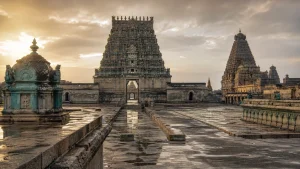
Customs vary, and posted instructions or staff guidance should take priority over general advice. A little preparation makes visits more comfortable while protecting worshippers’ privacy and the buildings themselves. Keep this checklist in mind:
- Wear modest clothing and confirm temple-specific requirements.
- Remove footwear where instructed and use designated storage.
- Check photography and phone rules before entering.
- Respect queues, restricted areas and ongoing rituals.
- Ask permission before photographing people.
- Use official donation channels and agree guide fees beforehand.
- Avoid touching carvings, leaving litter or blocking circulation.
Observe ceremonies without assuming participation is expected or permitted. A guide can explain context, but cannot override access restrictions. Supporting local businesses respectfully also helps connect the visit with the surrounding community.
Suggested routes for different travellers
A short architecture-focused break
Chennai and Mahabalipuram suit travellers wanting a focused introduction without frequent hotel changes. Concentrate on Pallava monuments, then balance walking with coastal leisure. Airport transfers and local transport still need planning, even within a compact regional break.
A family-paced Tamil Nadu journey
Thanjavur, Tiruchirappalli and Madurai create a framework combining Chola architecture, Srirangam’s scale and an active temple-city setting. Keep the schedule flexible, with rest between major visits. Check walking demands individually rather than assuming every temple will be equally manageable.
A longer regional circuit
Extend a Tamil Nadu journey towards Palani or Rameswaram according to religious and cultural interests. Alternatively, plan a separate Karnataka stay around Hampi rather than forcing a long cross-state detour. Additional destinations require extra travel days, not merely extra names on the schedule.
FAQ: South India temple travel questions
Which temples should a first-time visitor consider?
Mahabalipuram, Brihadisvara at Thanjavur, Srirangam and Madurai offer contrasting introductions. Hampi is another significant choice for a Karnataka journey. Select a coherent route rather than trying to include every landmark.
Which temple is considered the largest?
Srirangam is a useful reference when comparing extensive temple-complex footprints. However, area, gateway height and sanctuary height are different measures. Always check what a “largest” claim actually describes.
Are South Indian temples open to all visitors?
Access differs between temples and between areas within a complex. Some sanctuaries restrict entry according to religious eligibility or other rules. Confirm arrangements directly and plan alternative heritage experiences where needed.
What should visitors wear?
Choose modest clothing covering shoulders and knees as a starting point. Some temples require more specific attire. Check the individual temple’s instructions rather than relying on a universal dress code.
Can families and older travellers enjoy a temple tour?
Yes, with suitable pacing and site selection. Steps, queues, heat and barefoot walking may affect comfort. Ask about actual access conditions before committing to a demanding itinerary.
When is the best time to visit?
Choose dates by destination, weather and festival preference. A festival can enrich a journey but change crowd levels and access. Check local forecasts and temple calendars together.
Should travellers hire a local guide?
A knowledgeable guide can clarify architecture, historical layers and religious narratives. Confirm credentials, scope and fees beforehand. Remember that guiding access may stop before restricted worship areas.
Plan a journey with context
The most rewarding temples of South India journeys balance celebrated landmarks with time to understand their stories and surrounding communities. A smaller, well-paced selection often reveals more than a rushed sequence of entrances and photographs. Respectful planning makes space for both cultural discovery and the needs of worshippers.
For help shaping a route around your interests, available time and preferred pace, plan your South India temple journey with Trails Blazer Tours. Start with the places that matter most to you, then build a comfortable and culturally considerate itinerary around them.