1800 266 8484
 9321914991
 vacations@tbi.co.in


Scandinavian Tour Packages: How to Choose Your Perfect Itinerary
Would you rather spend an afternoon exploring Copenhagen’s food scene, pause for coffee in a Swedish village, or follow a walking trail through Norway’s landscapes? Each is a different holiday. Comparing Scandinavian tour packages becomes easier when you start with the experience you want – not the number of countries advertised.
Some itineraries explore one country in depth; others combine Denmark, Sweden and Norway with more frequent transfers. This guide helps you compare routes, duration, inclusions and travel styles. The aim is a shortlist that fits your interests, budget and comfortable pace.
Start with your priorities, not a destination count
Choose two priorities before examining individual Scandinavian tours. These might be food and culture, scenery and outdoor activities, or comfortable sightseeing with family downtime. A scenic rail journey requires a different route from a holiday built around museums, restaurants and neighbourhood walks.
Then decide how much organisation you want. Escorted group tours provide structure, while private arrangements may offer greater flexibility; neither automatically means a slower itinerary. Count hotel changes and examine free time before deciding whether the format suits you.
Scandinavia here means Denmark, Sweden and Norway. If Finland or Iceland enters your shortlist, you are comparing a broader Nordic holiday rather than simply adding another Scandinavian stop.
Compare the main destination combinations
Use this table to identify the route worth investigating first. These are destination approaches, not confirmed package offerings. Adding another country creates value only when its experiences justify the extra travel.
| Destination approach | Particularly suited to | Main trade-off |
| Norway-focused | Landscapes, fjords, scenic journeys and outdoor interests | Transfers can take a substantial share of sightseeing days |
| Sweden-focused | Design, history, city culture and regional exploration | Fewer countries, but more opportunity for depth |
| Denmark-focused | Copenhagen, food, architecture and island stays | Island additions require careful connection planning |
| Sweden and Denmark | A city-and-culture introduction with contrasting local experiences | Regional detours compete with capital-city time |
| All three countries | First-time visitors seeking an overview | More connections and potentially more hotel changes |
A tour combining Sweden and Denmark can suit travellers who prioritise food, design and urban exploration. Norway becomes especially relevant when landscapes are central to the holiday. None is universally better: ask which experiences you would regret missing.
Choose a trip length that protects your time
For a short break of roughly four to six days, concentrate on one city or a tightly defined region. Around a week to ten days can accommodate two complementary bases or a city-plus-countryside combination. Treat these as planning bands, not promises that every route fits.
Longer holidays allow multiple countries without necessarily rushing, provided the additional days create breathing space. Examine every transfer from hotel checkout to arrival at the next accommodation – not just the advertised train or flight segment. A longer Scandinavia itinerary adds value when it provides fuller days, fewer one-night stays and room for weather changes.
Three country-focused itinerary ideas
The following examples show how food, less-obvious stops and living culture can shape your choice. They are illustrative planning concepts, not bookable packages or confirmed inclusions. All transfers, accommodation, experiences and seasonal availability require verification before quotation.
Denmark: Copenhagen and Ærø
Pair Copenhagen’s food traditions with an island stay rather than another capital.
This five-day concept suits couples, foodies and families who prefer neighbourhood exploration to frequent hotel changes. Begin with Copenhagen’s architecture and everyday dining, then continue to Ærø for a different setting. The appeal is contrast without collecting countries. Keep the island days lightly scheduled so that walking, café stops and time together remain part of the holiday rather than gaps to fill with additional sightseeing.
| Day | Suggested plan and transfer | Overnight |
| 1 | Arrival transfer; Copenhagen neighbourhood walk | Copenhagen |
| 2 | Smørrebrød lunch and Danish pastry stop | Copenhagen |
| 3 | Planned road/rail and ferry connections to Ærø | Ærø |
| 4 | Island exploration; unhurried café time | Ærø |
| 5 | Ferry and onward connections; departure arrangements | – |
Season to consider: Summer for an island-led itinerary, subject to confirmed services. Culture moment: Discuss hygge as everyday comfort and companionship, not a scheduled performance. Practical tip: Keep the final connection day free of essential sightseeing.
Sweden: Stockholm and Dalarna
Combine city discoveries with regional traditions and time for fika.
This five-day outline suits couples, culture-focused families and food travellers who want more than a capital-city introduction. Stockholm provides the urban starting point, while Dalarna introduces a regional contrast. Plan a gravlax meal and a fika break, with time to understand the places around them. If Midsummer matters to you, build the departure around a confirmed local event rather than assuming celebrations happen throughout the summer.
| Day | Suggested plan and transfer | Overnight |
| 1 | Arrival transfer; Stockholm orientation | Stockholm |
| 2 | Museum or neighbourhood exploration; gravlax meal | Stockholm |
| 3 | Planned rail/road transfer to a selected Dalarna base | Dalarna |
| 4 | Regional exploration and fika – coffee with a baked treat | Dalarna |
| 5 | Onward transfer and departure arrangements | – |
Season to consider: Summer for this regional concept; verify Midsummer arrangements separately. Culture moment: Fika is a social pause, not simply a coffee purchase. Practical tip: Confirm the exact Dalarna base before judging transfer demands.
Norway: Trondheim and Røros
Explore regional food and a quieter cultural route instead of assuming Norway must mean fjords.
This five-day concept suits couples, foodies and travellers interested in regional heritage, with gentle outdoor time rather than demanding adventure. Begin in Trondheim before continuing to Røros, the less-obvious stop anchoring the route. Request a brunost tasting and ask whether seasonal skrei cod can feature during your dates. This is an alternative to a fjord itinerary, not a substitute for travellers whose main priority is coastal scenery.
| Day | Suggested plan and transfer | Overnight |
| 1 | Arrival transfer; Trondheim orientation | Trondheim |
| 2 | Brunost tasting; seasonal skrei meal if available | Trondheim |
| 3 | Planned rail/road transfer to Røros | Røros |
| 4 | Heritage exploration and conditions-appropriate outdoor walk | Røros |
| 5 | Onward transfer and departure arrangements | – |
Season to consider: Late winter if seasonal cod is a priority, subject to confirmation. Culture moment: Friluftsliv means making time for outdoor life, not necessarily strenuous activity. Practical tip: Verify walking surfaces and suitable footwear.
For all three concepts: Request itemised inclusions for accommodation, transfers, guiding, meals and entrances. Require exclusions to identify international flights, optional activities, independent meals, insurance and visa-related costs explicitly. Nothing shown above should be assumed included in a quotation.
Match the package to your travelling companions
The same route can feel relaxed to one traveller and demanding to another. Assess actual daily requirements rather than relying on labels such as “family-friendly” or “easy.” These distinctions help narrow your shortlist:
- First-time visitors: Look for a clear route, manageable connections and orientation support.
- Families: Prioritise suitable rooms, shorter transfer demands and genuine downtime.
- Couples: Protect independent evenings and time to enjoy accommodation.
- Active travellers: Check terrain, equipment, fitness requirements and weather alternatives.
- Culture and food travellers: Examine museum time, local experiences and independent dining opportunities.
- Older or comfort-focused travellers: Confirm walking distances, stairs, luggage handling and accessibility.
Families needing flexibility can explore the planning approach behind customized international family holidays. However, personalisation should translate into specific arrangements, not simply a different hotel category. Ask which parts of the daily schedule can actually change.
Compare Scandinavian tour packages beyond the headline price
Two packages covering identical cities may provide very different holidays. A centrally located hotel can support independent exploration, while an outlying property may require additional transport. Similarly, “guided sightseeing” does not explain entrance fees, tour duration or group size.
Request a written comparison covering:
- Accommodation: Category, location, room configuration and accessibility.
- Transport: Airport transfers, internal flights, trains, ferries, luggage and station-to-hotel connections.
- Experiences: Guided visits, entrance tickets, optional activities and free time.
- Meals: Included meals, dietary arrangements and independent dining.
- Support: Group size, private arrangements, tour manager, local guides and emergency assistance.
- Terms: Payment, cancellation, amendments, insurance expectations and visa guidance.
Calculate your likely total expenditure, not merely the starting price. For eligible bookings, EU package-travel protections address organiser responsibilities and insolvency protection, but applicability depends on the booking circumstances. Ask which protections govern your contract, especially when booking through an overseas seller.
What to check on a Norway fjords tour
Ask which scenic areas appear in the itinerary and where you actually stay. Establish whether a ferry is a transport connection, a sightseeing experience or both, and whether advertised rail journeys are included or optional. Compare scenic viewing time with total transfer time.
Also check luggage arrangements, walking demands and weather alternatives. A photograph cannot show how much independent time remains after arrival. Families should confirm boat suitability and daily logistics rather than assuming every fjord-focused route is equally comfortable.
Let the season shape the route
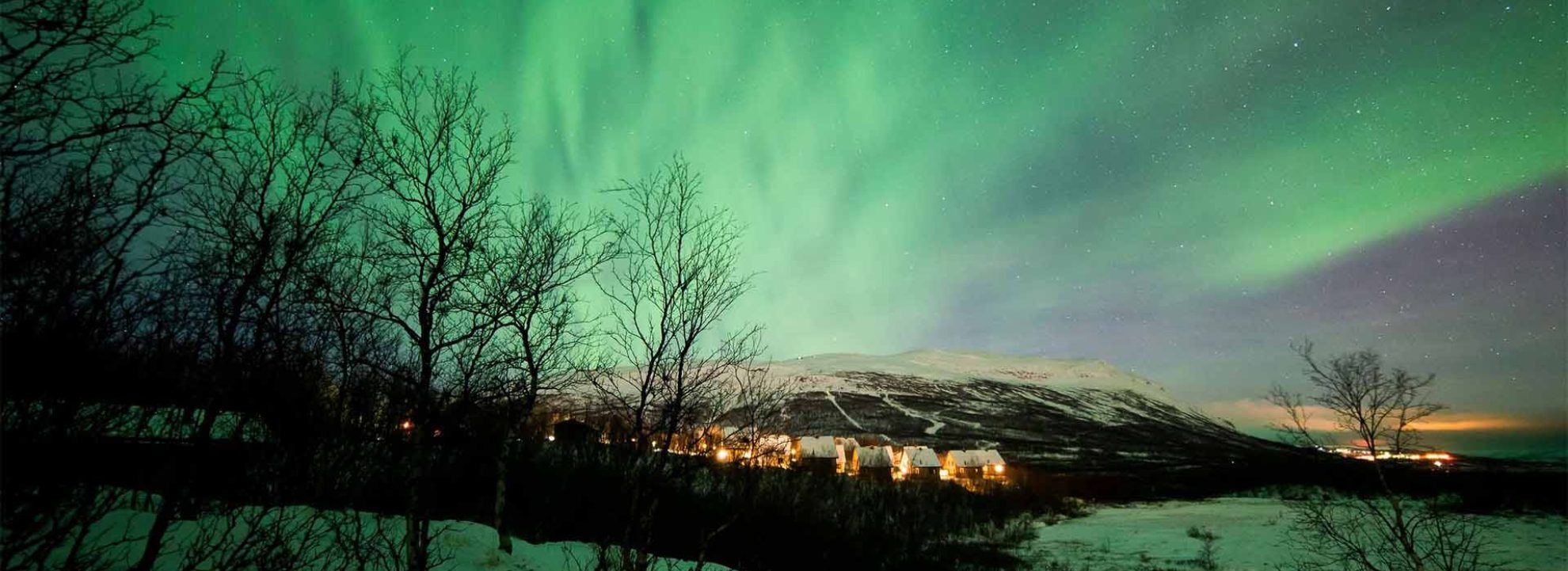
There is no universally best season. Winter northern-lights plans require appropriate northern locations and realistic expectations; sightings are never guaranteed. For Sami cultural experiences, seek Sami-owned operators and let hosts explain their own contemporary culture.
May orchard blossom, summer Midsummer celebrations and August crayfish gatherings are reasons to investigate particular departures – not guaranteed inclusions. Midnight sun requires suitable northern destinations and dates. Verify daylight, weather expectations, attraction openings and activity availability before choosing flights.
Demand also deserves attention. Eurostat reported that EU accommodation nights approached 3 billion in 2024, rising 2% from 2023; this is regional context, not a forecast for individual Scandinavian destinations. Confirm availability rather than assuming preferred hotels remain open for booking.
Practical tips: Pack layers and footwear suited to planned activities. Rural traditional menus are often predominantly fish- and meat-based, so vegetarian travellers should request confirmed alternatives. Verify current visa requirements, schedules, prices and festival dates before publication and booking.
Your final booking checklist
Before paying, answer these questions against the written itinerary. Resolve unclear details with the organiser rather than relying on promotional descriptions. Broader advice on choosing a tour package around your needs can help structure that discussion.
- Are my priority destinations included?
- Is the pace comfortable?
- How many hotel changes occur?
- How much usable free time remains?
- Which transport and sightseeing costs are included?
- Are hotels suitable and conveniently located?
- Do activities match everyone’s abilities?
- What support is available?
- Are visa, insurance and contract terms clear?
- Can the balance of cities, scenery and leisure change?
Frequently asked questions
How many days are enough for a Scandinavian trip?
Start with one focused region for a short break. Add days when adding distant destinations. Count usable sightseeing days separately from arrival, departure and transfers.
Is one country better than several?
One country offers depth. Several offer contrast. Choose according to your priorities and transfer tolerance.
What should a Scandinavian tour package include?
There is no universal inclusion list. Require itemised accommodation, transport, experiences, meals and support. Exclusions should be equally explicit.
Are Norway fjords tours suitable for families?
Some routes may suit families well. Check transfers, boat arrangements and walking demands. Leave space for rest.
How do I compare Scandinavian tour packages?
Compare equivalent arrangements and total expected spending. Then assess pace and support. More destinations do not automatically mean better value.
Choose the journey that fits you
The strongest Scandinavian tour packages match your interests without exhausting your time. Prioritise destination fit, comfortable pacing and transparent inclusions over the longest destination list. Share your preferred countries, available days, food interests and activity level with Trails Blazer Tours to discuss a suitably balanced itinerary.