1800 266 8484
 9321914991
 vacations@tbi.co.in


Which Switzerland tour package includes the Glacier Express or a Swiss Travel Pass?
 Oct 13, 2026
A Switzerland holiday can look beautifully simple on a brochure: alpine villages, lakeside cities, mountain views, and trains linking it all together. Once you compare itineraries, though, the rail details can become murky. One package may mention the Glacier Express, another may mention a Swiss Travel Pass, and a third may simply say “rail travel included” without naming the trains or tickets involved.
Those descriptions do not mean the same thing. The Glacier Express is a specific scenic rail journey, while the Swiss Travel Pass is a broader travel product with its own dates, class, coverage, and conditions. A package might include one, both, neither, or a rail arrangement that makes a pass unnecessary.
The practical answer is simple: a Switzerland tour includes the Glacier Express or a Swiss Travel Pass only when the day-by-day itinerary and written price inclusions state it clearly. Don’t rely on a scenic train photograph or broad wording alone. Ask what is booked, what remains optional, and which charges may still apply before you confirm your holiday.
The Glacier Express and Swiss Travel Pass are different things
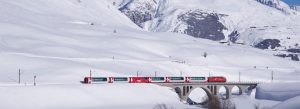
The Glacier Express is a named panoramic train journey through the Swiss Alps. It is often treated as a signature travel experience rather than a routine transfer because it turns a point-to-point rail day into a long, landscape-focused part of the holiday. Its appeal is the journey itself: large windows, changing Alpine terrain, and a slower rhythm than rushing between destinations.
A Swiss Travel Pass serves a different purpose. It is a wider transport and sightseeing access product, subject to the current terms set for your travel dates. Depending on the pass type and its conditions, it may suit travellers planning several independent rail and local-transport journeys during their stay. It does not automatically settle every reservation, premium scenic service, upgrade, or mountain excursion.
That distinction catches people out. A package can include a Swiss Travel Pass but leave you to arrange a Glacier Express seat reservation. Another package may include the Glacier Express as a pre-booked highlight but not include a wider pass for free-time exploration. The Glacier Express fare and luggage information should be checked alongside the package documents, since rail conditions can change.
| Travel component | Main purpose | What to confirm |
| Glacier Express | A named scenic train experience | Route segment, travel date, class, seat reservation, supplements, meal arrangements |
| Swiss Travel Pass | Wider access to Swiss rail and public transport under current pass rules | Validity dates, class, eligible services, exclusions, sightseeing benefits |
| Guided coach or rail transfers | Transport arranged within one itinerary | Which transfers are scheduled, where they begin and end, and what happens on free days |
Look at the journey in context. If a package includes only one long scenic rail day, the Glacier Express may be the item that matters most. If you plan to travel independently on several days, a pass may matter more.
When the Glacier Express earns its place in your route
A scenic train day works best when it moves you in a direction you already want to travel. If your hotels, onward connections, and sightseeing plans line up with the train’s departure and arrival points, the journey can feel like a memorable part of the route rather than a detour added for its name.
Pace matters. The Glacier Express is not a quick hop between towns, so avoid placing it on the same day as a demanding excursion, a tightly timed international flight, or a long hotel transfer. Give yourself breathing room at both ends, especially if you are travelling with children, older relatives, or more than light luggage. A rushed scenic day is a strange contradiction.
Weather also deserves a realistic view. Alpine landscapes can be striking in different seasons, but cloud, rain, snow, or low visibility can change what you see from the train. Don’t book it on a promise of perfect views. Book it because you like the idea of travelling through the mountains by rail, even when the weather has its own plans.
Before you commit, check current operating dates, route details, reservation rules, and possible charges through the Glacier Express FAQ. The operator’s published material is more useful than a vague package line that says “panoramic train included.” Small print matters here.
When a Swiss Travel Pass may be useful
A pass can make sense when your itinerary contains several independent travel days. Maybe you want to spend a free afternoon in Lucerne, take local transport from your hotel, or add an excursion after the guided portion of the holiday. In that situation, broader access may be more useful than one famous train ride.
But don’t buy a pass because the name sounds convenient. Start with your actual plan: the dates you will be moving between regions, the days you expect to use public transport, and the attractions you want to visit. Then compare those plans against the current pass conditions and against transport already included by the tour company.
A fully escorted itinerary may already arrange major transfers and excursions. In that case, paying separately for a wide-ranging pass could duplicate travel you have already purchased. On the other hand, an itinerary with multiple unstructured days may leave you wanting more independence.
The thing is, “Swiss Travel Pass available” and “Swiss Travel Pass included” are miles apart. Ask for the class of pass, validity period, issue date, and any limits that affect your plans. Don’t assume a premium scenic train, boat, cable car, or mountain railway falls under the same rules without confirmation.
How to compare Glacier Express tour packages
Start with the itinerary, not the headline. The phrase “Swiss rail experience” sounds appealing, but it does not confirm a Glacier Express journey or a Swiss Travel Pass. A reliable package description names the transport element, shows where it fits in the route, and states whether related costs are inside the quoted price.
Use the following checklist while comparing Switzerland tour packages:
- Glacier Express named in writing: Check that the itinerary identifies the Glacier Express rather than merely referring to a panoramic or scenic train. Ask which segment is planned and whether the journey is subject to availability.
- Pass status clearly stated: Look for one of four labels: included, available as an option, covered subject to conditions, or not included. Those phrases are not interchangeable, and a good quote should use one of them plainly.
- Reservations and upgrades: Confirm seat reservations, class of travel, supplements, meal arrangements, and any premium-service charges. The 2026 Glacier Express sales manual is a useful reference point for current booking details, but your operator must confirm what applies to your booking.
- Other transport days: List every train, transfer, airport connection, local tram, boat, cable car, or mountain railway mentioned in the itinerary. Then mark each one as included or separate. It sounds fussy. It prevents surprises.
- Hotel and luggage logistics: Ask how far each hotel is from its station, whether a vehicle transfer is arranged, and who handles luggage on travel days. A beautifully planned train route can feel tiring if you are hauling cases across platforms between tight connections.
- Change and disruption terms: Find out what happens if the scenic train cannot operate, seats are unavailable, or a route changes. You need to know the alternative transport plan and whether a refund, credit, or substitution applies.
Keep copies of the final itinerary and inclusions sheet. A sales conversation may be helpful, but the written confirmation is what you should compare.
Match the package to your travel style
A traveller who wants one standout rail memory may prefer a route with the Glacier Express booked as part of the journey between overnight stops. The famous train then has a purpose beyond ticking a box: it carries you through the country while reducing the need to backtrack.
Someone staying in several regions with open days may prefer a package that includes or recommends a suitable travel pass. That choice can suit people who enjoy deciding their own day trips once they arrive. It also calls for a little more comfort with timetables, station changes, and independent arrangements.
For a fully guided holiday, the better question is often, “What transport am I already paying for?” A coach or escorted rail itinerary may cover the main movement between destinations, so the pass only has value if you expect to use it outside the planned schedule. Honestly, I’d rather see a clear list of included journeys than a pass added to a quote just because it sounds impressive.
Families and travellers with mobility concerns should place logistics higher on the list. Ask about station access, walking distances, hotel transfers, time between connections, luggage support, and suitable seating. A slower route with fewer hotel changes may be the better holiday, even if it includes fewer headline rail experiences.
Questions to ask before you book
Is the Glacier Express included in the quoted price?
Ask the operator to confirm the train date, route section, travel class, and reservation status in writing. “Planned” is not the same as confirmed. You should also ask whether a replacement arrangement applies if the service is unavailable.
Is a Swiss Travel Pass included, optional, or unnecessary?
Request the exact pass type and travel dates if it is included. If the pass is optional, ask the adviser to explain which journeys in your itinerary would use it and which transport is already arranged. A pass may suit your free days, but it may also overlap with transfers in the package.
Which costs remain separate?
Ask about seat reservations, upgrades, premium services, mountain railways, boats, airport transfers, local transport, luggage handling, and optional excursions. Also ask which attractions are covered only under conditions. The Swiss panorama train guidance is useful for understanding why scenic services can carry separate booking requirements.
Will the itinerary work for my group?
Tell the operator about children, older travellers, mobility needs, dietary needs, and luggage concerns before booking. Ask where hotels are located, how many transfers occur, and how much free time you will have. Those details often matter more than the package label.
Prepare for the rail days before you leave
Read the itinerary line by line a few weeks before departure. Note every station, hotel, departure time, and connection that affects your day. Keep rail tickets, reservation references, passports, hotel contacts, and emergency numbers together in an easy-to-reach folder or phone wallet.
Pack for changing temperatures and different elevations, even if your journey begins in a mild city. Keep medication, valuables, chargers, a light layer, and anything you need during the train ride in a small day bag. Large cases can stay manageable when you know who is handling transfers and when you must move them yourself.
Shortly before departure, confirm current rail information with the operator and check official Glacier Express updates for your travel day. If you are comparing rail-focused trips beyond Switzerland, Trails Blazer Tours also curates journeys such as the Maharaja Express Heritage of India tour, where the route itself forms part of the holiday story.
Choose the package that matches your route
The right package depends on how you want Switzerland to feel. Choose the Glacier Express if a signature scenic rail day suits your route and pace. Look closely at a Swiss Travel Pass if you expect to make several independent journeys, but compare its current conditions with transport already included in your itinerary.
Before paying a deposit, get written confirmation of every rail inclusion, seat reservation, supplement, transfer, and alternative plan. That little bit of diligence turns a tempting brochure into a trip you can actually picture day by day.
For help comparing curated rail-led holidays and tailored travel plans, visit Trails Blazer Tours and ask the team to clarify the rail arrangements that apply to your preferred Switzerland itinerary.