 1800 266 8484
 9321914991
 vacations@tbi.co.in


“Where ancient heritage, wildlife, and vibrant traditions flourish. ”
Gujarat is a state of remarkable contrasts, home to archaeological wonders, spiritual landmarks, vast white deserts, and rare wildlife found nowhere else on Earth. From the historic streets of Ahmedabad and the architectural brilliance of Patan to the endless salt flats of Kutch and the lion habitats of Gir, Gujarat offers a rich blend of heritage, culture, and nature. Whether you're interested in history, pilgrimage, handicrafts, or wildlife, Gujarat delivers an experience that is both diverse and deeply memorable.
Discover Gujarat's Finest Places
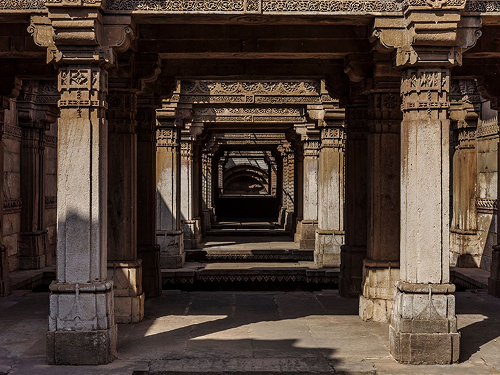
Ahmedabad
Ahmedabad is a UNESCO World Heritage city where centuries-old architecture meets a vibrant modern culture. From Sabarmati Ashram and stepwells to bustling markets like Manek Chowk, it offers a rich blend of history, spirituality, and culinary excellence. Best visited from October to March.
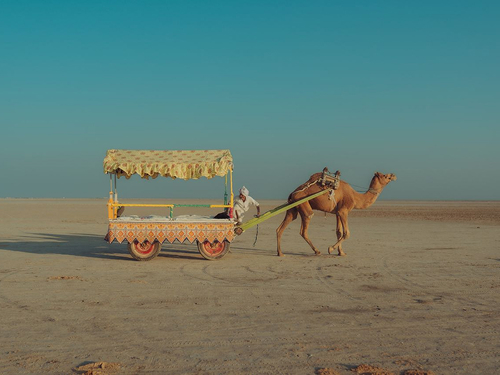
Great Rann of Kutch
The Great Rann of Kutch is a vast white salt desert that transforms into a cultural spectacle during Rann Utsav, where folk music, handicrafts, and moonlit landscapes create an unforgettable winter experience. Best visited from November to February.
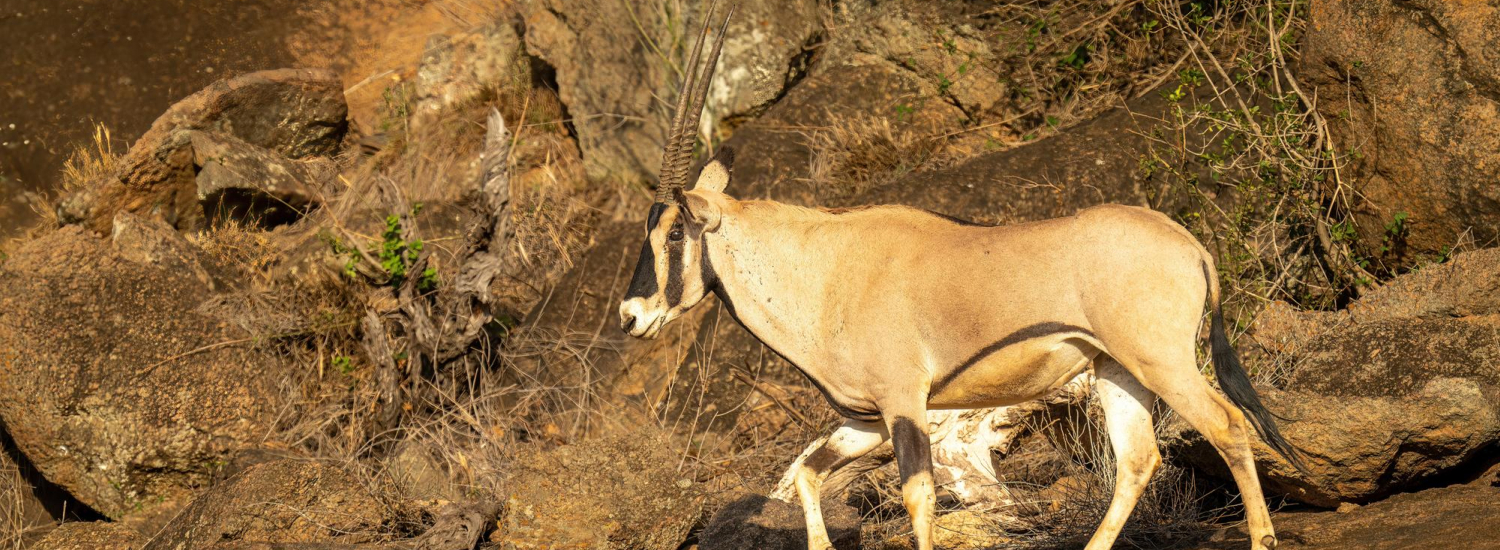
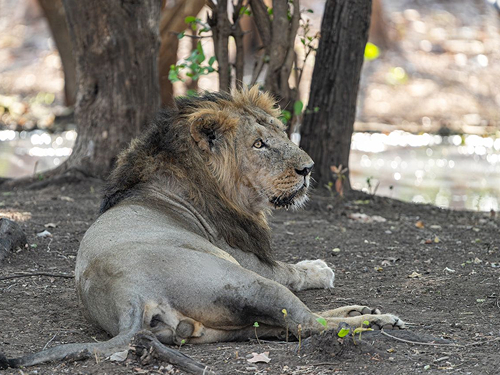
Gir National Park
Gir is the only place on Earth to see Asiatic lions in the wild, set within a rugged forest ecosystem that also shelters leopards and diverse wildlife. Safari drives here offer a rare sense of untamed wilderness. Best visited from December to March.
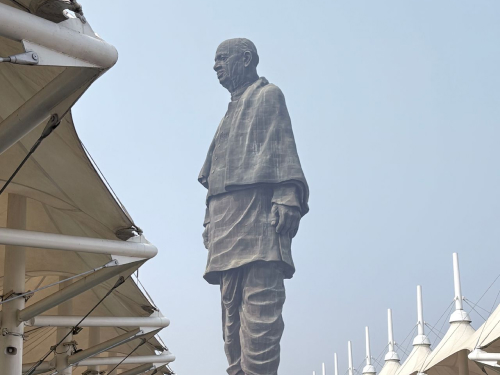
Statue of Unity
The Statue of Unity is a monumental riverside landmark dedicated to Sardar Vallabhbhai Patel, surrounded by landscaped gardens, museums, and panoramic viewpoints. Evening illumination transforms it into a striking spectacle. Best visited from October to March.
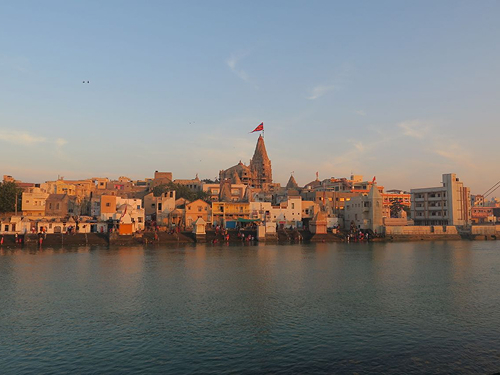
Dwarka
Dwarka is a sacred coastal city where mythology meets the Arabian Sea, believed to be the ancient kingdom of Lord Krishna and one of India’s revered Char Dham pilgrimage sites. The majestic Dwarkadhish Temple stands at its heart, drawing pilgrims into a world of carved stone, ringing bells, and deep-rooted devotion, while boat rides to Bet Dwarka add a sense of quiet discovery across shimmering waters. Best visited from October to March for peaceful temple experiences and pleasant coastal weather.
Gujarat Travel Essentials
Best Time to Visit:
October to March offers pleasant weather for sightseeing and wildlife safaris.

Clothing & Packing:
Light clothing, sun protection, and modest attire for temples and religious sites.

Local Dishes:
Try dhokla, thepla, undhiyu, khandvi, fafda, and traditional Gujarati thalis.

Shopping Tips:
Buy bandhani textiles, patola silk, Kutchi embroidery, handicrafts, and silver jewellery.

Mobile & Internet:
Excellent connectivity across cities, towns, and most tourist destinations.

Transport & Permits:
No special permits required. Gujarat has excellent roads, rail links, and airports.

Featured Itineraries
Explore the best of India with perfectly planned journeys.
FAQ’S
Gujarat is a dry state, and alcohol sales are restricted. However, visitors from outside Gujarat can obtain a temporary liquor permit through authorised outlets and approved hotels by presenting valid identification and travel documents.
The ideal period is between November and February when temperatures are comfortable, and the famous Rann Utsav takes place. Full moon nights are especially popular, as the white salt desert appears particularly striking under moonlight.
Gir National Park is generally open from October to June, with the most comfortable safari conditions between December and March. The park closes during parts of the monsoon season for wildlife conservation and breeding activities.
Absolutely. Gujarat is home to UNESCO World Heritage sites, ancient temples, historic cities, archaeological ruins, traditional villages, and some of India's finest handicraft traditions, making it a paradise for culture enthusiasts.
Pack lightweight clothing, comfortable walking shoes, sunscreen, and a hat for daytime sightseeing. If visiting religious sites or rural communities, modest clothing that covers shoulders and knees is recommended.