1800 266 8484
 9321914991
 vacations@tbi.co.in



Australia Tour Packages That Fit Your Travel Style
Choosing between Australia tour packages can feel surprisingly difficult. A city-and-reef holiday, an Outback adventure, a self-drive coastal escape and a premium multi-centre itinerary may all sound appealing, yet they offer very different travel experiences. Australia is not a destination to rush through simply to tick off the maximum number of places.
The right package is the one that reflects how you like to travel: the pace you enjoy, the destinations that matter most, the level of comfort you expect and the amount of support you want along the way. With international visitor travel continuing to be tracked closely in Australia’s latest tourism results, planning early and comparing the details carefully can help you make a more confident choice.
Start by choosing an Australia holiday around your travel style
Before comparing hotel names, flight routes or sightseeing lists, think about the kind of holiday you want to remember. Most travellers combine interests, but identifying your strongest priorities makes it easier to rule out an itinerary that looks impressive on paper but feels tiring or unsuitable in practice.
A relaxed sightseeing holiday may suit travellers who want time in Sydney, Melbourne, Cairns or Perth, with comfortable accommodation, short transfers and a balance of planned sightseeing and independent exploration. These itineraries work well for first-time visitors who want major highlights without a packed daily schedule.
Adventure-focused travellers may prefer a route built around the Great Barrier Reef, the Red Centre, Tasmania or Western Australia. Snorkelling, hiking, wildlife encounters, scenic drives and remote landscapes can be central to the trip, but they often require earlier starts, longer transfers and more practical clothing. Ask whether physical activity levels, weather conditions and equipment requirements are clearly stated before booking.
Food, culture and premium travellers may enjoy Melbourne’s dining scene, the Barossa Valley, Margaret River, Tasmania’s produce regions or coastal New South Wales. A slower itinerary with well-located stays, selected dining experiences and flexible time can be more rewarding than moving between too many destinations.
For families, couples and solo travellers, the ideal support level can also differ:
- Families may value manageable transfer times, family-friendly rooms, familiar meal options and activities suitable for varying ages.
- Couples may prioritise privacy, scenic settings, boutique stays, sunset experiences and unhurried free time.
- Solo travellers may appreciate escorted departures, shared transfers, local guides and an itinerary that balances group activities with personal space.
- Small groups can often benefit from customised touring, especially when interests range from golf and food to wildlife and photography.
A well-planned holiday does not need to fit a rigid category. You might combine Sydney’s harbour highlights with a few quiet days in Port Douglas, or pair Tasmania’s food trails with guided nature experiences.
Match Australia tour packages to the regions you genuinely want to experience
Australia’s distances are one of the most important factors to understand when choosing a package. Sydney, Melbourne, the Great Barrier Reef, Uluru, Tasmania and Perth are not neighbouring stops in the way European cities can be. Internal flights, airport procedures, road transfers and check-in times all need to be part of the itinerary calculation.
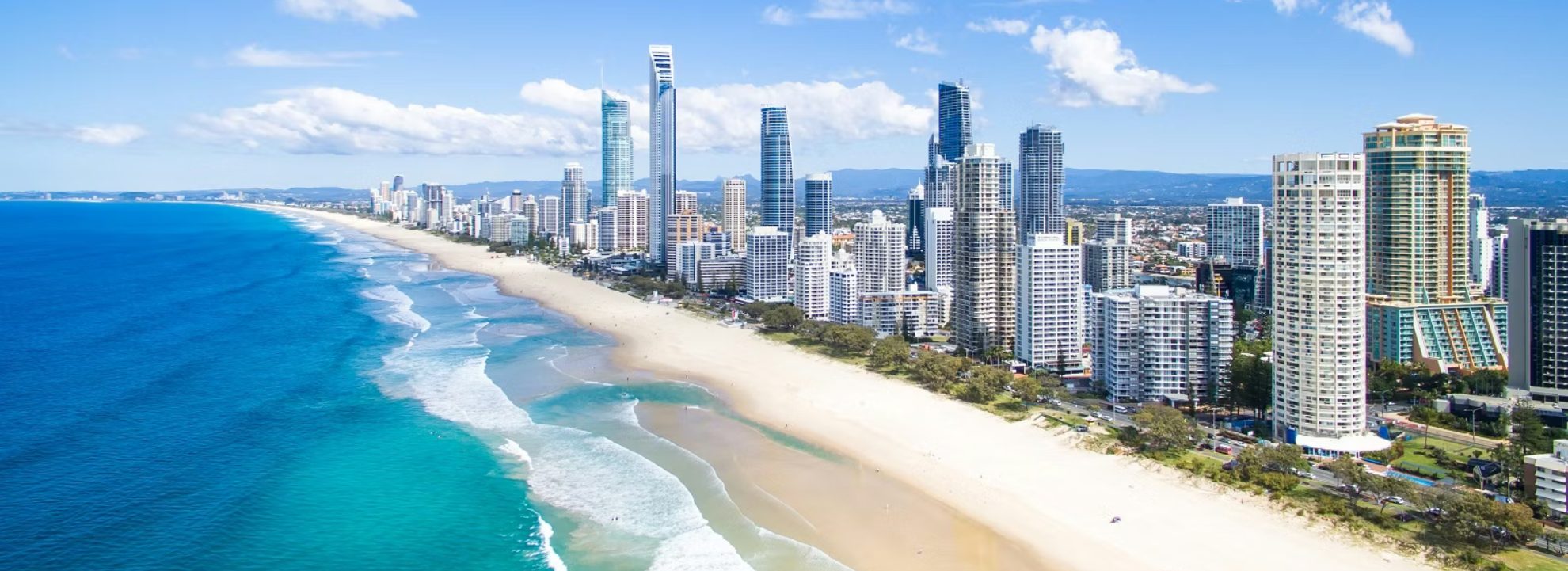
For a first visit, a classic east-coast combination of Sydney, Melbourne and Cairns can offer an accessible introduction to Australia’s cities, coast and reef experiences. It is a strong choice for travellers who want recognisable highlights, convenient domestic flight connections and a varied but manageable itinerary. For more ideas on building a highlights-led route, explore these must-see Australian cities and experiences.
A single-region holiday can be equally memorable. Tasmania rewards travellers who enjoy cool-climate scenery, local produce, walking trails and wildlife. Western Australia offers wide-open landscapes, Indian Ocean beaches and remarkable road-trip potential, but needs more time because of its scale. The Northern Territory is ideal for travellers drawn to Indigenous cultural experiences, desert landscapes and the Red Centre, particularly when they are comfortable with a more remote setting.
For an offbeat dimension, consider destinations such as:
- Kangaroo Island, for coastal scenery, wildlife and local produce.
- The Grampians, for hiking, dramatic sandstone landscapes and regional Victoria.
- The Sapphire Coast, for quieter New South Wales beaches, oysters and coastal towns.
- The Eyre Peninsula, for seafood, marine experiences and South Australia’s less-visited coastline.
- The Kimberley, for remote wilderness, dramatic gorges and expedition-style touring.
Do not choose a multi-destination itinerary just because it covers more ground. A package that gives you three full nights in Cairns may be more fulfilling than one that includes Cairns only as an overnight stop between flights.
Choose a trip length and pace that leave room to enjoy Australia
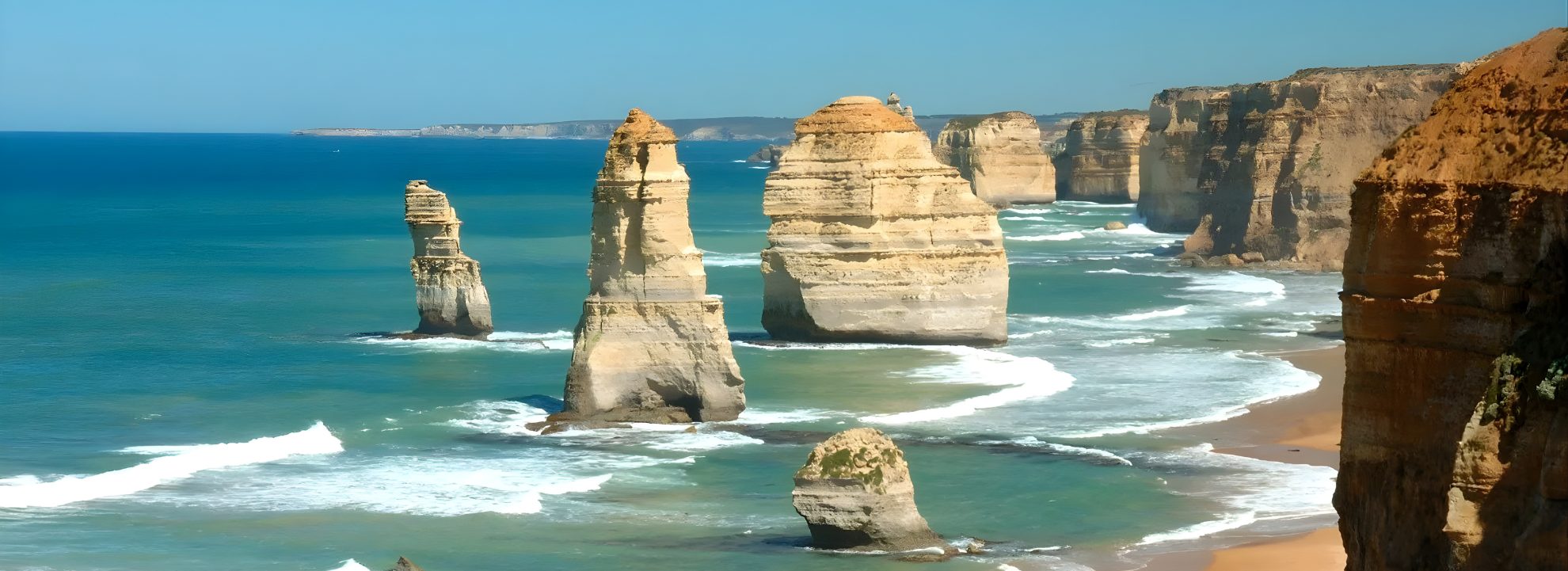
A shorter holiday of around seven to nine nights is best treated as a focused introduction rather than an attempt to see the entire country. You might combine Sydney with the Great Barrier Reef, or Melbourne with the Great Ocean Road and a regional food-and-wine stay. This structure reduces airport time and gives you a better chance to settle into each destination.
A 10- to 14-night itinerary can comfortably include two or three regions when domestic flights are sensibly spaced. For example, Sydney, Melbourne and Cairns can work well, while an alternative could pair Perth with Margaret River and a Western Australia coastal extension. Longer holidays allow more flexibility, but they still need rest days and realistic travel periods.
When comparing Australia tour packages from India, allow for the effect of a long-haul journey. Arrival day should not always be treated as a full sightseeing day, especially if you are travelling with children, older relatives or after an overnight flight. A calmer first afternoon, centrally located accommodation and limited early-morning commitments can make the rest of the holiday more enjoyable.
Look closely at the daily rhythm. A fast-paced itinerary may suit travellers who are happy with early starts and full days, while a slower package should include free afternoons, optional activities or two-night stays in key locations. The best balance depends on you, not on how many destinations appear in the brochure.
Guided tours, flexible packages and independent arrangements: which works best?
A fully guided tour is often the most reassuring option for travellers who want a planned route, coordinated transport, scheduled sightseeing and the companionship of a group. It can be particularly useful for first-time visitors, solo travellers and families who would rather not manage every local detail themselves. Australia’s vastness means that support with transfers and timing can be valuable, especially across multiple regions.
A partially guided or flexible package combines pre-booked essentials, such as accommodation, selected transfers, domestic flights and a few important activities, with free time for your own choices. This format suits couples and independent-minded travellers who want reliable arrangements without following a group schedule every day.
A tailored private itinerary offers the greatest control over pacing, hotel style and experiences. It can work well for multigenerational families, friends travelling together or couples planning a special occasion. However, flexibility should not mean vague inclusions: confirm exactly who provides assistance if a flight schedule changes or an activity is disrupted.
Australia’s official visitor resources emphasise the range of tour options available across different Australian destinations. Whatever format you choose, ask whether guided experiences, free days, optional excursions and after-hours support are clearly explained. If you are weighing structured travel against planning everything independently, this comparison of curated travel experiences and DIY travel for Indian travellers can help clarify the trade-offs.
What should be included when comparing Australia tour package prices?
An Australia tour package price is meaningful only when you understand what sits behind it. A lower headline figure may exclude domestic flights, airport transfers, major sightseeing activities, park charges or meals. A higher-priced itinerary may include services that save time and simplify logistics, but those additions should be visible rather than assumed.
Compare packages using the same checklist:
- Accommodation category, room type and location within each destination
- International and domestic flights, including baggage allowances where applicable
- Airport, hotel and intercity transfers
- Sightseeing tours, attraction entry fees and national park charges
- Included meals and the number of meals you will arrange independently
- Guide or tour-manager support, plus free time in each destination
- Optional excursions, payment deadlines and cancellation conditions
- Travel insurance coverage, exclusions and personal responsibility for documents
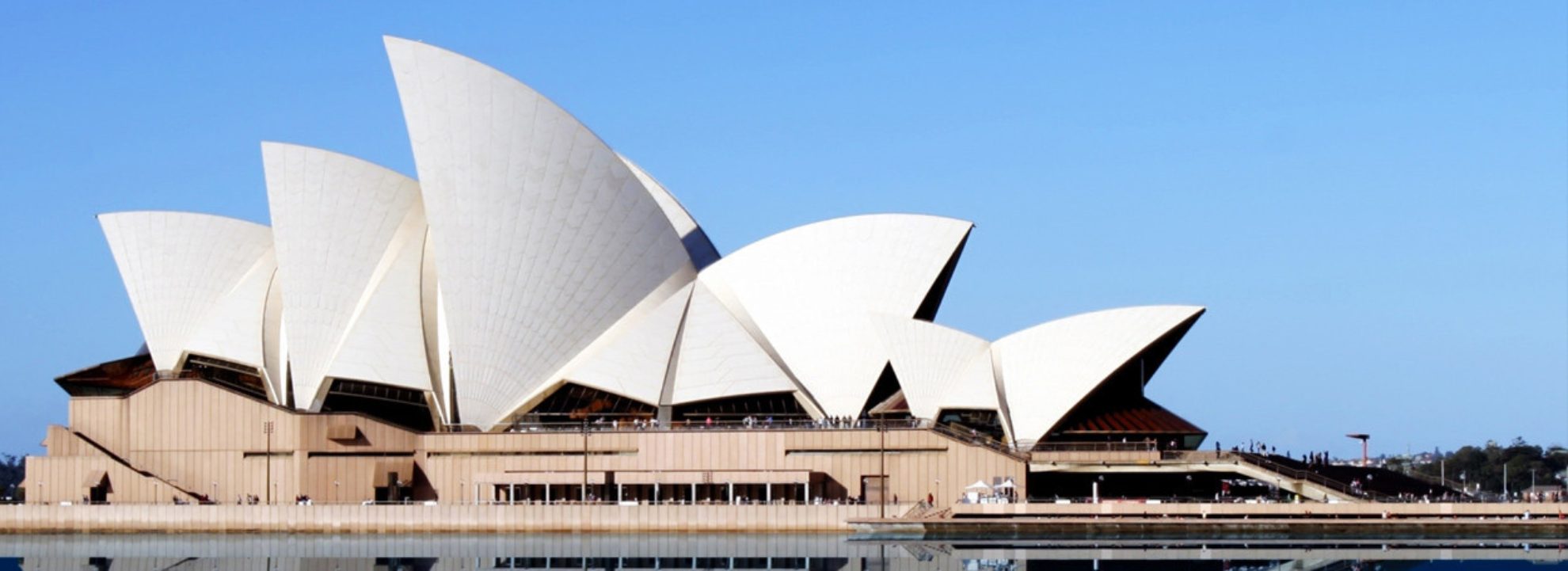
The location of your hotel matters as much as its star rating. A central Sydney stay can make it easier to enjoy Circular Quay, the Opera House precinct and restaurants during free time, whereas a distant hotel may require extra transfers and reduce your independence. Similarly, a reef cruise, scenic flight or wildlife excursion can be central to your holiday rather than an optional extra.
Read the booking conditions carefully. The Australian Competition and Consumer Commission advises travellers to understand their options around travel delays, cancellations and consumer rights, particularly when arrangements involve multiple suppliers. Confirm the terms before comparing packages purely on price.
Plan for seasonal weather, suitable clothing and regional conditions
Australia’s seasons are opposite to India’s: summer generally falls from December to February, autumn from March to May, winter from June to August and spring from September to November. Yet conditions vary widely across the country. Tropical north Queensland has a different climate pattern from Melbourne, Tasmania or the Red Centre, so packing should follow your route rather than a single national forecast.
For summer in southern cities and coastal regions, bring breathable clothing, sun protection, sunglasses, a wide-brimmed hat and comfortable walking shoes. Evenings near the coast can feel cooler, so a light layer is useful. In tropical Queensland, lightweight quick-drying clothes and rain protection can be practical, especially during wetter months.
For winter in Melbourne, Tasmania, Canberra and the southern highlands, pack layers: long-sleeved tops, a warm jumper, a waterproof outer layer and closed shoes. The Red Centre can also have chilly mornings and evenings in winter despite warm daytime sunshine. For spring and autumn, versatile layers are usually more useful than bulky luggage.
Outdoor experiences demand practical choices. Reef trips need swimwear and sun-safe clothing; bushwalks require supportive footwear; city dining calls for smart-casual attire rather than formal dress. If accessibility is relevant to your group, discuss mobility needs before booking, as Australia’s tourism industry is working to improve accessible tourism planning and visitor experiences.
Add local cuisines and offbeat experiences that suit your interests
Australian food is as diverse as its landscapes. Melbourne and Sydney offer global dining alongside excellent coffee culture, while regional travel opens the door to fresh seafood, cellar doors, farm produce and distinctly local specialities. Building a food experience into your package can make a familiar route feel personal.
In Tasmania, seek out seafood, cool-climate cheeses, apples and local whisky. South Australia offers Barossa and Clare Valley wines, while Adelaide Central Market is a useful stop for regional flavours. In Western Australia, Margaret River pairs wine with artisanal produce, and the Eyre Peninsula is known for seafood experiences. Queensland’s tropical north brings fresh barramundi, mangoes and reef-side dining.
For a respectful cultural dimension, look for Aboriginal and Torres Strait Islander-led experiences that share knowledge of Country, food traditions, stories and local landscapes. Tourism Australia identifies sustainability as an important part of protecting destinations and supporting communities through travel, including responsible tourism practices that benefit local places. Choosing experiences led by local operators can add depth while supporting the destination you have come to explore.
A practical shortlist for tour packages from India to Australia
Before you enquire, shortlist two or three options and compare them on the same criteria. This approach helps you move beyond a simple price comparison and identify the itinerary that genuinely suits your priorities.
Ask yourself:
- Which three experiences are non-negotiable: reef, cities, wildlife, wine country, beaches or the Outback?
- How many nights do you have after allowing for international travel?
- How many domestic flights or long road transfers are you comfortable with?
- Do you prefer escorted group touring, private arrangements or a flexible package?
- What accommodation standard and location will make you feel comfortable?
- Which activities should be included rather than left as optional extras?
- What weather conditions will apply to every region on your route?
- Are there mobility, dietary, child-friendly or special-occasion requirements to plan for?
FAQ: Common questions about Australia tour packages
Should first-time visitors choose a guided Australia tour?
A guided tour can be a sensible choice if you want help with transport, sightseeing schedules and regional logistics. It is not essential for every traveller, but it can reduce decision-making when you are visiting several destinations or travelling as part of a mixed-age group.
How far in advance should I plan an Australia holiday?
Planning earlier gives you more time to compare flight routings, hotel locations and activity availability, especially for school-holiday periods, popular reef experiences and smaller regional stays. Tourism forecasts continue to monitor longer-term growth in visitor demand through 2030, making early planning particularly useful for travellers with fixed dates.
Are Australia tour packages suitable for couples?
Yes, but an Australia tour package for a couple should reflect the kind of time you want together. A couples’ trip may prioritise scenic stays, private touring, wine regions, beach time and free evenings rather than a tightly scheduled group itinerary.
Is it better to focus on one region or combine several?
Focus on one region if you have limited time or prefer a slower pace. Combine regions if you have enough nights to accommodate domestic flights and want contrasting experiences, such as city culture, tropical coast and the Outback.
Choose the package that feels right for your Australia story
The best Australia tour packages are not necessarily the longest, busiest or most expensive. They are the ones that match your interests, comfort preferences, available time and desired level of guidance. A thoughtfully paced holiday with the right destinations can create far more memorable travel moments than an overloaded itinerary.
Whether you are considering Australia tour packages from India for a family holiday, a honeymoon, a solo departure or a private group journey, begin with your priorities and build from there. For personalised guidance on curated travel experiences and end-to-end planning, contact Trails Blazer Tours to explore an Australia itinerary shaped around the way you want to travel.