1800 266 8484
 9321914991
 vacations@tbi.co.in

How to Choose a Switzerland Tour Package for Your Perfect Trip with TBI
The right Switzerland tour package starts with your available days, travel companions and preferred pace. A couple may want fewer hotel changes and a scenic room; a family may value direct transfers and relaxed sightseeing; a group may prefer a fixed plan with a tour manager. Price matters, of course, but a lower headline amount can lose its appeal if airport transfers, mountain excursions or city taxes sit outside the package.
Use this guide to compare routes, trip lengths, package formats and booking details before you commit.
Why People Visit Switzerland
Ask ten travelers why they chose Switzerland and you’ll get ten different answers: the trains that run to the minute, lakes that turn improbable shades of turquoise, mountain air that feels different from anywhere else, or simply the promise of quiet after a loud year. Some come for the Alps and cable cars, others for chocolate shops and lakeside cafés, and a growing number come specifically to avoid the crowds at the “big four” towns — choosing instead a valley or village nobody back home has heard of. Switzerland works for almost every kind of traveler because it doesn’t force a single kind of holiday on you.
Beyond Zurich, Lucerne and Interlaken: Offbeat Destinations Worth Chasing
If you’ve already seen photos of the same five towns on every Switzerland itinerary, it’s worth asking your planner about the quieter alternatives. Appenzell, with its painted farmhouses and cheese dairies, feels like rural Switzerland before tourism arrived. Gruyères, a walled medieval village in the French-speaking region, pairs a fairy-tale old town with the chocolate and cheese factories that made its name famous. Lauterbrunnen, tucked beneath 72 waterfalls in a valley near Interlaken, offers mountain drama without Zermatt’s crowds. Further east, St. Moritz and the Engadin valley suit travelers who want glacier views and quiet lake walks rather than another shopping street.
None of these need to replace your entire itinerary — even one offbeat overnight can change how a trip feels, breaking up the usual city-lake-mountain sequence with something that feels discovered rather than ticked off.
Traditional Villages and the Swiss Countryside
The postcard version of Switzerland — wooden chalets, cowbells, and meadows that seem too tidy to be real — is still findable if you leave the main rail corridors. Villages like Iseltwald on Lake Brienz, Murren (car-free, reachable only by cable car), and the vineyard hamlets of Lavaux, a UNESCO World Heritage cultural landscape, reward travelers who are happy to slow down for an afternoon rather than chase another headline sight. A short countryside stay — even one or two nights — adds a texture that mountain-peak photographs alone don’t capture: farm stands, church bells, and the unhurried rhythm of small-town Swiss life.
Don’t turn every stop into an overnight stay, though. One or two well-chosen bases, with a countryside detour built in, usually beat five hotel check-ins.
Chocolates, Sweets and the Swiss Sweet Tooth
Switzerland’s relationship with chocolate goes well beyond souvenir bars at the airport. Towns like Gruyères and Broc host chocolate factories where you can watch the process from cocoa bean to bar, and Zurich’s old town has chocolatiers making truffles the traditional way. Beyond chocolate, look out for meringues with double cream in the Gruyère region, Basler Läckerli (spiced honey biscuits), and seasonal treats like roasted chestnuts sold from street carts in autumn. A dedicated chocolate workshop or factory visit is an easy, memorable half-day addition for families and food lovers alike, and it rarely needs more than a short detour from a standard route.
The Cuisine of Switzerland, Region by Region
Swiss food changes with the language region, which surprises many first-time visitors. In German-speaking Switzerland, expect rösti (a crisp potato dish), cheese and meat fondue, and hearty veal dishes. The French-speaking west leans into raclette, melted cheese scraped tableside over potatoes and pickles, alongside wines from the Lavaux vineyards. In the Italian-speaking south, near Lugano, expect risottos, polenta and a lighter, Mediterranean-influenced table. Vegetarian and Jain travelers should flag preferences early — fondue and raclette can usually be adapted, but it helps your planner build this into the meal plan rather than negotiate it at the table.
Seeking out a local cheese cellar, a village bakery, or a small family-run restaurant instead of a hotel buffet is often the single easiest way to make a package holiday feel less generic.
Start with what is included, not the headline price
Two holidays with the same number of nights can feel completely different once you read the day-by-day plan. One may use centrally located hotels and rail travel, while another may involve long coach journeys from a hotel outside the main resort area. Neither format is automatically wrong. The question is whether it suits the way you want to travel.
Ask for the full written inclusion list before paying a deposit. It should state the hotel category or confirmed hotel names, number of nights in each place, transport between cities, sightseeing entries, meal plan and airport transfer terms. If an itinerary mentions “free time,” ask where that free time happens and whether you will have transport back to the hotel.
| Item to check | What to ask before booking | Why it matters |
| Accommodation | Which town, hotel category and room type? | A hotel far from the station can add time and taxi costs. |
| Transport | Rail, coach, private vehicle or a mix? | The travel method affects comfort, luggage handling and flexibility. |
| Mountain visits | Is the excursion included, partially covered or optional? | High-altitude trips can materially change the total trip cost. |
| Meals | Which meals are included, and are Indian or vegetarian choices arranged? | Meal expectations differ widely between package formats. |
| Transfers | Are airport, station and hotel transfers included at all times? | Late flight arrivals may need separate arrangements. |
| Support | Is there a tour manager, local guide or on-call contact? | Support matters more on a first Europe trip or group departure. |
Personal spending often covers lunches, drinks, porterage, shopping, local city charges, optional experiences and tips where applicable. Travel insurance may also sit outside the quoted package, so don’t assume it is part of the plan.
The way I see it, a clear exclusions list is a good sign. It gives you a realistic view of the trip instead of a pleasant surprise turning into an awkward bill later.
Switzerland alone or Paris and Italy too?
A Switzerland-only itinerary works well when the Alps are the main reason for travel. You can slow down in Lucerne, spend time around Interlaken or the Jungfrau region, take a lake cruise if it fits your plan, and leave room for changing mountain weather. It suits travelers who would rather stay two or three nights in one place than rush through cities for a photo stop.
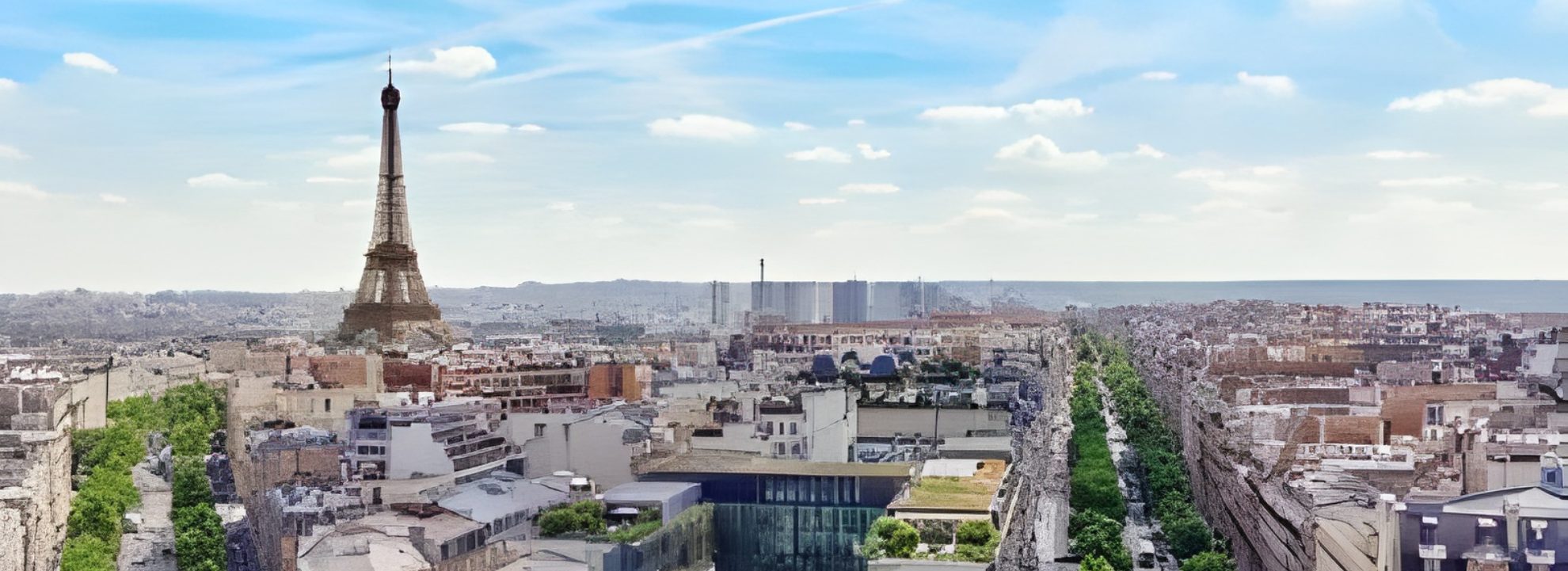
A Paris and Switzerland holiday brings together very different moods: boulevards, museums and café culture in Paris, followed by lakeside towns and mountain views in Switzerland. Packages that begin in Paris and continue to Switzerland make sense for first-time Europe travelers who want a famous city alongside alpine scenery. Keep enough time for each country, though. Paris needs more than a hurried overnight stay.
Why choose the Swiss-Paris combo?
The Swiss-Paris combo creates a useful contrast: fast-paced Parisian culture, fashion and museums give way to slower Swiss alpine relaxation and mountain trails. It suits travelers who want variety without losing time to complicated connections. The TGV Lyria high-speed train links Paris to Zurich, Basel or Geneva in 3 to 4 hours, bypassing airport transit and making the cross-border journey straightforward.
This route particularly attracts high-budget travelers planning longer stays of 8 to 12 days. With enough time, they can combine luxury lodging, curated tours and Swiss Travel Passes with unhurried sightseeing in both destinations.
Italy and Switzerland packages suit travelers drawn to art, food, fashion and historic city centres before moving north towards the mountains. Milan can fit naturally with parts of Switzerland, but Rome, Venice and Florence add distance. A route that looks tidy on paper may involve long transit days. Not ideal if you only have a week.
| Route style | Choose it if | Watch out for |
| Switzerland only | You want mountain scenery, lakes and scenic rail travel at an easy pace. | You may miss major European city experiences. |
| Paris and Switzerland | You want a city-and-Alps contrast in one holiday. | Build in time for travel between countries. |
| Italy and Switzerland | Food, culture and shopping matter as much as landscapes. | Italy’s larger cities can consume more days than expected. |
| Paris, Italy and Switzerland | You have a longer leave window and enjoy active sightseeing. | Three countries in a short plan can feel like a transfer schedule. |
For a Paris-Switzerland-Italy trip from India, I’d reserve closer to two weeks than one. Fifteen days gives room for arrival recovery, intercity travel and a few unhurried evenings. Anything shorter needs ruthless editing.
Match the trip length to your pace
Three days in Switzerland can work, but only as a compact introduction. Pick one base, such as Zurich or Lucerne, and focus on one major mountain or lake experience rather than trying to cover the entire country. A three-day Swiss break can feel lovely; it just can’t carry the expectations of a ten-day Alps holiday.
Four days gives you breathing room. You might arrive in Zurich, spend time in a lakeside city, then add one mountain outing if conditions and transport timings line up. Keep the final night near your departure point if the flight timing is early. That small choice can remove a lot of departure-day stress.
Five days is a sensible short format for travelers who want a city-and-mountains structure. Two bases can work here, especially if you pack light and the transfers are sensible. For example, a lakeside stop followed by a mountain-area stay feels more balanced than moving hotels every morning.
Seven days suits a first fuller Switzerland itinerary. You can combine a city, a mountain region and a scenic travel day without treating every hour like a checklist. A seven-day package also works well for families, since children and older travelers benefit from later starts and less luggage movement.
Ten days gives Switzerland room to breathe. Add another region, a rest day, a lake cruise or a weather backup plan. Switzerland’s rail network connects many towns well, and the country’s Grand Train Tour combines rail, bus and boat routes across major scenic areas. Still, a train journey can be a full experience in itself, not merely a commute between attractions.
| Trip length | Best suited to | A sensible approach | Main trade-off |
| 3 days | A short add-on or quick break | One base and one headline experience | Limited regional variety |
| 4 days | First glimpse of Switzerland | City arrival plus one mountain day | Little room for delays |
| 5 days | Couples and short family trips | Two bases at most | Careful routing still matters |
| 7 days | A rounded first holiday | Lakes, mountains and scenic travel | Less time for distant regions |
| 10 days | A slower Swiss vacation | Several regions with free time | Higher stay and transport cost |
| 15 days | Deep exploration or Europe combination | Switzerland plus Paris or Italy | More planning across borders |
Actual routing depends on where you land, the season, hotel location and mountain operating conditions. Point being: book nights around experiences, not around a list of destination names.
Choose destinations by the experience you want
Zurich works well for flight arrivals, a first night, shopping and a city break beside the lake. Yet many travelers don’t need several nights there if mountain scenery is the priority. A Zurich-led itinerary can continue towards Lucerne, Interlaken or another suitable base soon after arrival.
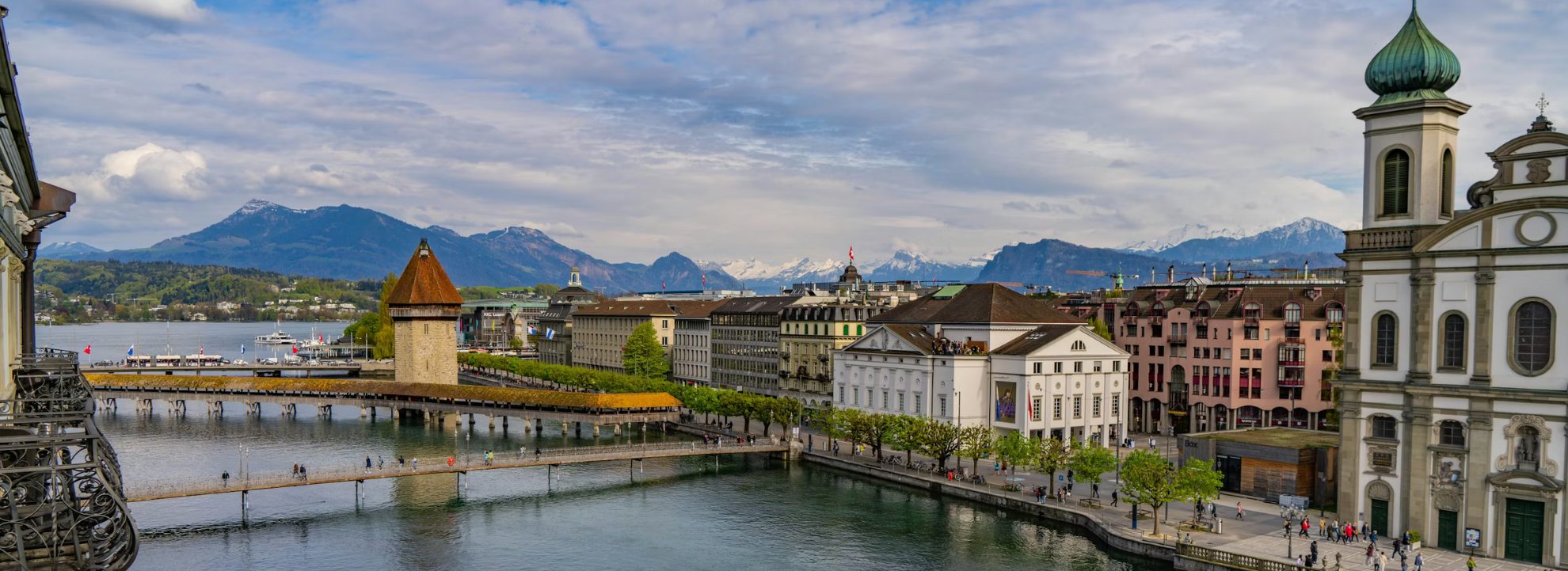
Lucerne suits travelers who want an easy blend of lakefront walks, old-town atmosphere and access to nearby mountain experiences. Interlaken is a popular base for people seeking the Jungfrau region, outdoor activities and views framed by steep valleys. Expect a livelier holiday rhythm there, especially during busy travel periods.
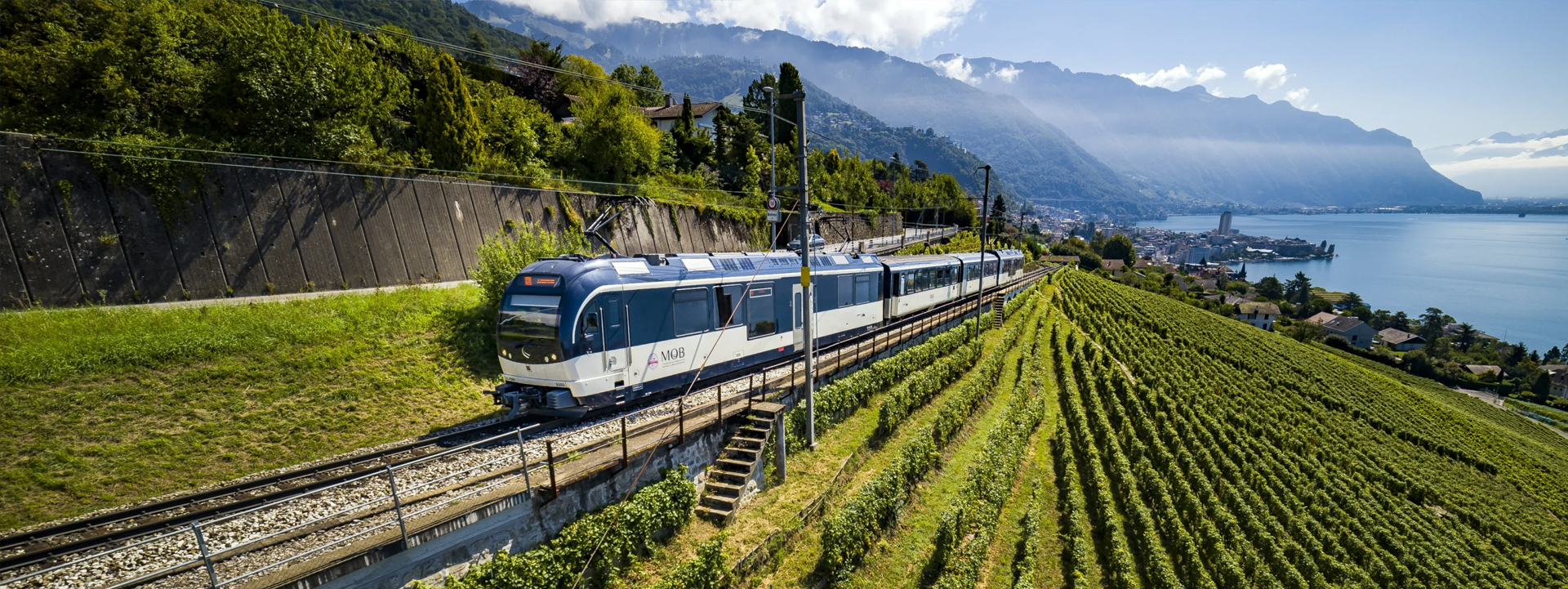
Zermatt appeals to travelers who want a car-free mountain village atmosphere and views associated with the Matterhorn. Montreux brings a gentler lakeside feel, vineyard landscapes and access to western Switzerland. The terraced vineyards of Lavaux form part of a UNESCO World Heritage cultural landscape, making that part of the country especially appealing to travelers who want more than snow views and cable cars.
Don’t turn every stop into an overnight stay. One or two well-chosen bases often beat five hotel check-ins. Leave a buffer day or a flexible half-day around weather-sensitive mountain plans, particularly in winter and shoulder months. Mountains don’t work to a strict itinerary, and that’s part of their charm.
For more route ideas, read Trails Blazer Tours’ guide to scenic Swiss routes and alpine adventures.
Zurich: base, stopover or departure point?
Zurich Airport has strong rail links into the country, which makes it a practical arrival and departure point for many Switzerland vacations. Staying in Zurich is a good choice if your flight arrives late, if you want time for the city, or if your next train leaves early the following morning. It can also suit travelers who prefer one urban base with day trips.
But a Zurich hotel is not automatically the smartest base for the entire trip. Daily journeys to mountain regions can eat into sightseeing time and leave you returning late. If the itinerary focuses on the Bernese Oberland, a stay nearer the mountains may make more sense after your first night.
Check the arrival airport, train station and onward transfer before selecting a Zurich Switzerland tour package. A neat route may arrive in Zurich and depart from Geneva, or work in reverse. Open-jaw flights, where you fly into one city and out of another, sometimes reduce backtracking, though availability and fare conditions vary.
Honestly, the best arrival point is the one that keeps the rest of the trip sensible.
Pick a package format that suits your travel party
Honeymooners
A Switzerland honeymoon package works best with fewer hotel moves, private transfers where desired, and time that isn’t programmed from breakfast to bedtime. Ask about room category, views, bed configuration and optional experiences that feel personal to you. A scenic train day or a quiet lakeside evening often matters more than squeezing in another town.
Families
Families should prioritize manageable travel days. Check room occupancy rules, interconnecting-room options, child meal arrangements and the amount of walking involved in each excursion. Younger children may enjoy snow play, lake cruises and funicular rides more than long guided city tours.
Groups
Switzerland group tour packages from India can reduce planning work through coordinated transport, set sightseeing and a tour manager or group leader where stated. Fixed departures suit travelers who like company and a predictable plan. The trade-off is less freedom to pause at a café, skip an activity or change the day’s pace.
Private group departures work well for extended families and friends who want shared transport with their own schedule. Confirm the group size, vehicle type, luggage capacity and whether the itinerary has fixed departure times. Small details can make a group holiday feel orderly instead of hurried.
Independent travelers and first-time visitors
First-time international travelers may appreciate documentation guidance, arrival support and a written plan that spells out each transfer. Experienced travelers may prefer a tailor-made itinerary with rail tickets, selected hotels and open afternoons. Trails Blazer Tours can help shape either style; its tour package selection guide is also useful when you are comparing pace, accommodation and trip structure.
Planning a Switzerland holiday from India
Start with your departure city and flight timings, not just the destination list. A late landing can make a same-day transfer to a mountain resort tiring, while an early return flight may call for a final night near the airport. Ask the travel planner to show the exact arrival and departure logic.
Indian passport holders should check current entry and visa rules through official sources before booking. Switzerland is part of the Schengen area, but documentation requirements, appointment availability and processing timelines can change. The Swiss entry guidance and visa FAQs should sit alongside advice from your travel provider; neither replaces your responsibility to submit accurate documents.
Carry some Swiss francs for minor purchases, while also planning a card that works for international payments. Sort out mobile connectivity before arrival, pack layers rather than one heavy outfit, and tell your planner about vegetarian, Jain or other dietary preferences early. Swiss weather can change quickly between a sunny lakeside town and a cold mountain platform.
Before payment, request confirmation of:
- flight inclusions or exclusions, along with airport transfer timing;
- hotel names or confirmed categories, room occupancy and meal plan;
- intercity travel method, sightseeing entries and optional excursion costs;
- cancellation rules, insurance terms and support contacts during travel.
That list may feel fussy. It saves trouble.
Compare value with a day-by-day lens
A package with a lower starting price may use hotels farther from the centre, exclude mountain transport or leave several meals to you. Another may cost more because it includes better-located accommodation, private transfers or a rail pass that matches the route. Compare the whole holiday, not one bold number at the top of a brochure.
Put two itineraries side by side and count the usable sightseeing time. Look for long coach days, overnight locations and how often you need to carry luggage. Then check which experiences need advance booking or have separate charges.
Ask these questions before choosing:
- How many hours of travel are planned on each transfer day?
- Which named excursions and entry tickets are covered?
- What happens if weather affects a mountain outing?
- Are taxes, tips, visa costs and insurance included or separate?
- Can the route change if flights or local schedules change?
A good planner answers plainly and puts the answer in writing. Trails Blazer Tours can compare a standard route with a private or customized version, so you can decide where convenience is worth paying for and where you’d rather keep flexibility.
When to travel and when to book
Winter attracts travelers who want snow-covered villages and winter sports, but daylight is shorter and some higher routes may face weather disruption. Summer brings green meadows, hiking conditions and long evenings, though popular regions can be busier. Spring and autumn may bring quieter towns and changing colours, but mountain operations can follow seasonal timetables.
No single month suits everyone. Families travelling during school breaks may prefer a fixed departure and confirmed logistics. Couples who want quieter hotels may look at shoulder periods, while snow-focused travelers should ask about the exact activities running on their dates.
Book earlier when you need specific rooms, peak-season travel, group departures or multi-country rail arrangements. Don’t buy a package solely because an itinerary lists a famous summit. Check whether it will be accessible during your travel window and whether the visit is included.
Frequently asked questions
How many days are ideal for a first Switzerland trip?
Seven days is a comfortable starting point for many first visits. It leaves room for a city, a mountain region and scenic travel without changing hotels too often. Five days can also work well if you focus on two areas and keep expectations realistic.
Is Switzerland alone better than combining it with Paris or Italy?
Choose Switzerland alone if mountains, lakes and relaxed scenic travel are your priorities. Add Paris if you want a famous city experience, or Italy if food, art and historic cities matter strongly to you. More countries need more nights; otherwise, transit takes over.
Is three days enough for Switzerland?
Three days is enough for a focused taste of Switzerland, not a country-wide tour. Stay in one area, choose one major excursion and leave airport transfer time untouched. Trying to cover Zurich, Lucerne, Interlaken and Zermatt in three days is a recipe for window views from trains.
What is the difference between a group tour and a private itinerary?
A group tour runs to a fixed timetable and shares transport, guides and sightseeing with other travelers. A private itinerary follows your party’s pace and can include more free time, but it may cost more per person. Pick the format that matches your comfort with structure.
Is Switzerland suitable for a honeymoon?
Yes, especially if the plan includes slower stays, scenic accommodation and time away from large tour crowds. Limit hotel changes, discuss room preferences before booking and keep one flexible afternoon. That breathing space often makes the trip feel more personal.
Is Zurich a good base for a Swiss holiday?
Zurich works well for arrivals, departures and a city stay. It may not suit an Alps-heavy itinerary if you spend hours commuting to mountain regions each day. Match your base to the experiences you want most.
Can a Switzerland itinerary be customized?
Many parts of a Swiss holiday can be tailored around duration, hotel style, transport preferences and interests. Ask early about private transfers, rail routes, family rooms and optional experiences. Changes become harder after hotels and timed tickets are confirmed.
Choose the trip that leaves room to enjoy it
The strongest Switzerland tour package is not the one with the most country names or the longest sightseeing list. It is the plan that gives you enough time for the experiences you care about, keeps transfers sensible and states every inclusion clearly.
If you are weighing a Switzerland-only escape against Paris, Italy or a longer European combination, ask Trails Blazer Tours for an itinerary matched to your dates, travel party and preferred pace. You can also learn more about Trails Blazer Tours and discuss a group, honeymoon or customized Swiss holiday before making a booking decision.