1800 266 8484
 9321914991
 vacations@tbi.co.in


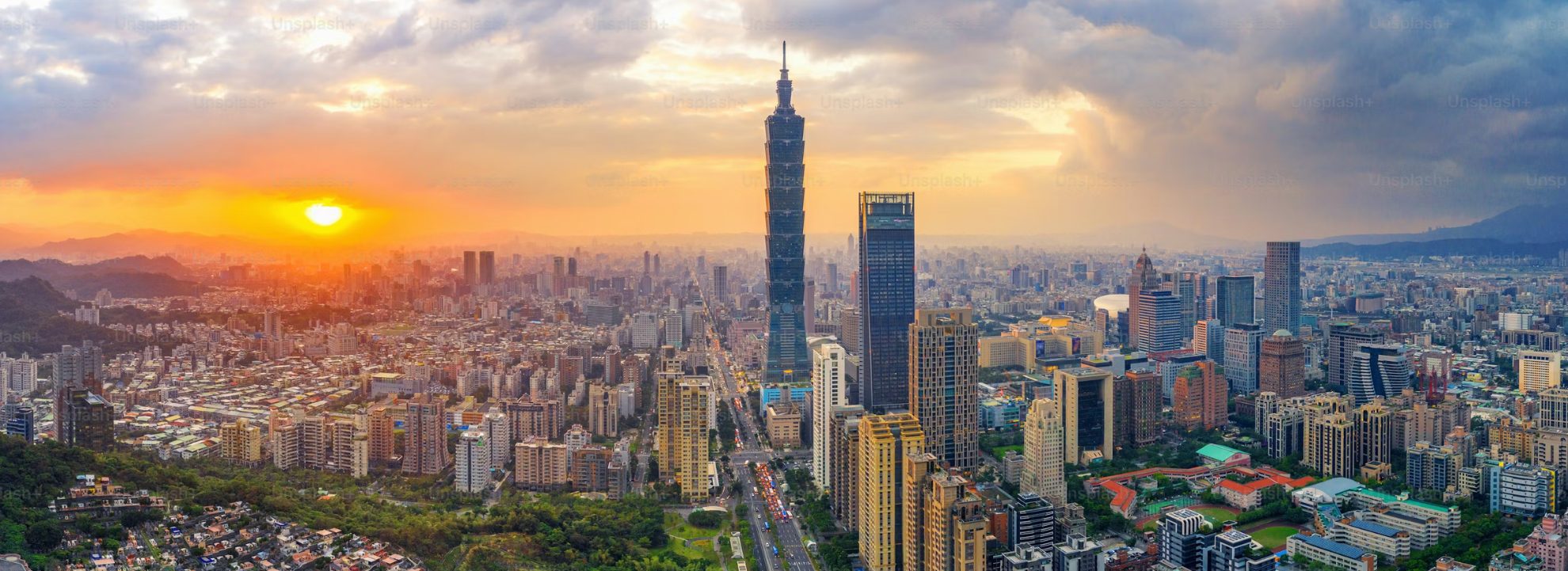
You want evenings filled with night-market aromas, time to understand the temples and neighborhoods you visit, and train journeys where the landscape becomes part of the holiday. What you may not want is the task of coordinating every connection, hotel transfer, and reservation yourself. A thoughtfully planned Taiwan holiday package can bring these interests together without turning your itinerary into a race between attractions.
Taiwan rewards looking beyond a single city or travel theme. A trip can move from Taipei’s breakfast shops and museums to southern heritage districts, countryside stations, or mountain scenery. This guide explains how to connect food, culture, and rail travel – and what to check before choosing a package that promises all three.
Why Taiwan works for a varied holiday
Taiwan welcomed approximately 7.86 million international visitors in 2024, illustrating its established appeal as an international destination. For your own planning, however, the more useful consideration is variety. Taipei, Tainan, mountain areas, and the east coast offer different experiences rather than interchangeable sightseeing stops.
| Your interest | Experiences to consider |
| Food | Night markets, breakfast shops, regional dishes, and tea tastings |
| Culture | Temples, museums, craft workshops, and heritage neighborhoods |
| Scenery | Coastal rail sections, countryside, and mountain excursions |
| Comfortable travel | Rail-connected bases with planned local transfers |
The advantage is not that everything sits beside a railway station. It is that a sensible combination of trains, local transport, and selected transfers can connect contrasting places. For first-time visitors, choosing fewer bases usually leaves more time to enjoy those differences.
Build food experiences around daily life
Night markets are an inviting introduction to Taiwanese food, with sizzling griddles, steamed buns, and stalls preparing small portions. Taipei’s Raohe Street and Ningxia night markets are possible starting points, but a market evening should not become a compulsory tasting marathon. Choose a few dishes, follow local queuing patterns, and leave room for something unexpected.
Breakfast deserves its own place in the itinerary. Soy milk, dan bing – an egg-filled pancake – and steamed buns introduce a different rhythm from evening street food. A sit-down meal of beef noodle soup or shared dishes provides another perspective, particularly when a guide can explain ingredients and ordering customs.
Regional stops add depth rather than simply more meals. Tainan is associated with dishes such as danzai noodles and milkfish preparations, while tea experiences can introduce differences in aroma, brewing, and growing conditions. Balance recognizable dishes with opportunities to browse a neighborhood bakery or choose lunch independently.
Before booking, communicate allergies, vegetarian or vegan requirements, religious restrictions, and preferred spice levels. Broths, sauces, and garnishes may contain ingredients that are not obvious, so carry a translated dietary note and ask about cross-contact where relevant. At markets, avoid blocking working stalls, ask before photographing vendors, and plan flexible meal times around appetite rather than a rigid schedule.
Experience heritage with time and context
Culture becomes more meaningful when an itinerary explains what you are seeing instead of simply naming the attraction. Taipei’s Dihua Street offers a setting for exploring traditional shops and commercial heritage, while Tainan’s temples and historic neighborhoods encourage a different kind of urban discovery. A museum visit can provide useful context before you encounter religious architecture, crafts, or regional traditions.
Smaller excursions also deserve consideration. Yingge offers a focus on ceramics, while tea-growing areas around Pinglin can connect landscapes with cultivation and preparation. Workshops, tastings, and local guides should be confirmed individually rather than assumed to be available every day.
Balance major attractions with slower neighborhood visits. Leave time to notice shopfront details, watch a craft demonstration where visitors are welcome, or sit quietly in a public courtyard. These pauses often make a Taiwan tour feel less like a sequence of transfers.
Respect matters throughout the journey. Dress appropriately at religious sites, keep your voice low during worship, and follow posted instructions about access and photography. Ask before photographing people, and remember that traditional neighborhoods remain places where residents live and work.
Which rail journeys connect food, culture, and scenery?
Taiwan’s railway systems serve different purposes, so “rail included” needs explanation. High-speed rail links western cities, while conventional trains provide broader regional connections. Choosing between them involves balancing efficient movement with the journey you want to experience.
Western cities for food and heritage
A Taipei-to-Tainan combination can connect an urban introduction with southern food traditions and temple neighborhoods. High-speed rail can support this approach, but stations may require onward transport to central districts. Compare the complete hotel-to-hotel journey, not just the train portion.
Eastern routes for changing landscapes
Conventional rail toward Hualien and onward toward Taitung can introduce mountain, valley, and coastal scenery, depending on the section. Not every stretch offers uninterrupted sea views, and tunnels are part of the journey. Choose a daylight departure when scenery is a priority, while checking current conditions and service notices.
Mountain rail as a separate excursion
The Alishan Forest Railway is a distinct mountain railway, not an extension of the high-speed network. A visit requires separate planning for access, accommodation, and the operating sections relevant to your trip. Confirm the exact service rather than assuming a photograph represents the journey being sold.
Rail travel becomes comfortable when the surrounding details work too. Ask about luggage handling, station changes, reserved seating, and transfers at both ends. Schedules, weather disruption, reservations, and route availability must be checked again before travel.
How to compare a Taiwan holiday package
The best tours in Taiwan for your needs are not necessarily those with the longest attraction lists. A well-chosen Taiwan tour package should explain how each day works, including walking, transfers, meals, and unstructured time. Ask your Taiwan tour agency for a detailed itinerary and written inclusions before comparing quotations.
| What to compare | Questions worth asking |
| Duration and pace | How many hotel changes and substantial travel days are involved? |
| Food and culture | Are tastings, meals, guides, and admissions included or optional? |
| Rail arrangements | Which routes, train types, tickets, and seat reservations are specified? |
| Hotels and transfers | Are locations convenient, and are station transfers covered? |
| Personal needs | Can dietary requirements, mobility needs, and room arrangements be supported? |
| Costs and flexibility | What remains payable locally, and what are the cancellation terms? |
An escorted group tour in Taiwan can offer shared logistics and a predictable schedule, but departure times and meal stops may be less flexible. Private arrangements may allow more control over pace, although availability and cost require confirmation. For a Taiwan family tour, prioritize manageable walking, rest opportunities, and practical luggage arrangements over another destination.
If you are considering an escorted format, Trails Blazer Tours’ article on Taiwan travel combining culture, nature, and city life provides further inspiration. Treat editorial examples separately from the inclusions in your quotation. Before paying, verify departure arrangements, seasonal conditions, entry requirements, insurance, and cancellation terms.
A sample approach without rushing
Think in experience blocks rather than trying to circle the island. Begin with an urban base, add one contrasting regional experience, and select a rail journey that supports the route. The following is a planning framework, not a confirmed itinerary.
- Start with food and context. Use Taipei for markets, a museum, and a neighborhood walk before moving onward.
- Add a contrasting stop. Consider Tainan for southern heritage, or a smaller excursion if your available time is limited.
- Make the train journey purposeful. Choose either an efficient western connection or a scenery-focused regional segment rather than adding rail solely for novelty.
- Protect a slower finish. Leave room for tea, shopping, a local meal, or weather-related adjustments.
Avoid combining Tainan, the east coast, and Alishan merely to tick every theme. Your final route should reflect available days, interests, mobility needs, season, and confirmed transport. One well-chosen scenic segment is more rewarding than several hurried connections.
Practical questions before booking
How many days are useful for a first visit?
A three-day Taiwan package is best treated as a focused introduction, usually with one base. Four days can allow an additional excursion, while five days may support a second base if transfers remain manageable. An eight-day Taiwan package offers more room for contrasting regions, but count usable sightseeing days rather than assuming arrival and departure days are fully available.
Can you travel without speaking Mandarin?
Major transport hubs and visitor attractions often provide English-language information, although smaller businesses vary. Save accommodation addresses in Chinese, download translation tools, and carry clear dietary notes. A guide can add cultural context and help with situations where translation alone is insufficient.
Should rail tickets be reserved ahead?
For journeys where a particular departure or seat matters, advance arrangements are sensible. Do not assume every ticket includes a reserved seat or that a package secures seats together. Ask who handles booking, what happens if the preferred service is unavailable, and how changes are managed.
How much free time should a package include?
Look for meaningful gaps rather than brief shopping stops labeled as leisure. An open evening or unhurried neighborhood visit allows you to follow your interests. On travel days, leave extra breathing room for luggage, station navigation, and rest.
Can dietary and accessibility needs be accommodated?
Support depends on the itinerary, suppliers, and facilities involved. Describe specific needs before booking, including food allergies, step-free access, walking tolerance, and luggage assistance. Request written confirmation rather than relying on a broad promise that the trip is suitable for everyone.
What should you check about entry and insurance?
Consult the official visa-exempt entry requirements and conditions, where applicable, and confirm the rules for your passport and circumstances. Check transit requirements separately with relevant authorities and airlines. Review insurance for medical care, cancellation, disruption, and planned activities, including exclusions.
Plan around the experiences you value
A rewarding holiday package for Taiwan brings food, heritage, and scenery into a route with enough space to enjoy them. The goal is not to see every region, but to connect places thoughtfully and make transport part of the experience. Comfortable planning should support discovery rather than crowd it out.
Contact Trails Blazer Tours to discuss your Taiwan travel plans, sharing your dates, preferred pace, departure location, and dietary or accessibility needs. Ask for a proposed route with clearly confirmed accommodation, rail arrangements, transfers, and inclusions before deciding.