1800 266 8484
 9321914991
 vacations@tbi.co.in


Greece Tour Packages for Families, Couples, and Curious Explorers
Two travellers can arrive in Greece with entirely different holidays in mind. A family may want manageable transfers, flexible meals, and afternoons without a timetable. A couple might picture coastal walks and unhurried dinners, while a curious explorer wants archaeological context, neighbourhood discoveries, and regional food.
Comparing Greece tour packages therefore starts with how you travel – not how many destinations appear in a brochure. The right choice connects your interests with a realistic route, comfortable accommodation, useful support, and enough time to enjoy each stop. A longer destination list is not automatically a better holiday.
Before browsing island photographs, write down your three priorities and your biggest practical concern. These become your comparison criteria, whether your reasons to travel to Greece centre on history, coastline, food, or simply spending meaningful time together.
Start with the essentials: what does the package include?
Compare the day-by-day arrangements before comparing headline prices. Two packages with similar destination lists can differ substantially in hotel location, transport connections, sightseeing, and assistance. Request written inclusions and exclusions rather than relying on broad descriptions such as “island touring.”
| Package element | Why it matters | Who should pay closest attention |
| Route and total nights | Reveal movement versus usable holiday time | Everyone with limited leave |
| Hotel category and location | Affect comfort and access to meals or attractions | Families and couples |
| Airport and port transfers | Clarify who handles each connection | First-time visitors and families |
| Ferries or domestic flights | Determine timing, luggage arrangements, and flexibility | Multi-island travellers |
| Guides, meals, and free time | Shape both daily spending and independence | Couples and curious explorers |
| Support and exclusions | Establish responsibilities when arrangements change | Every traveller |
A transfer means transport between points such as an airport and hotel; it does not necessarily include luggage assistance or an accompanying guide. Similarly, “sightseeing included” needs clarification about entrance tickets, guide services, and transport. Ask which meals, optional activities, insurance, and local charges remain payable separately.
The legal meaning of a package also matters. EU guidance describes qualifying packages as combinations of at least two different types of travel services, subject to specific booking conditions. Travellers booking from India should confirm the applicable contract and protections rather than assuming every bundled holiday has identical coverage.
For families: prioritise comfort, pacing, and simple logistics
A family-friendly package should work for the youngest traveller, the oldest traveller, and whoever manages the luggage. Review walking distances, early departures, meal flexibility, and the time between checking out and reaching the next hotel. A day can look light on paper while still involving several tiring transitions.
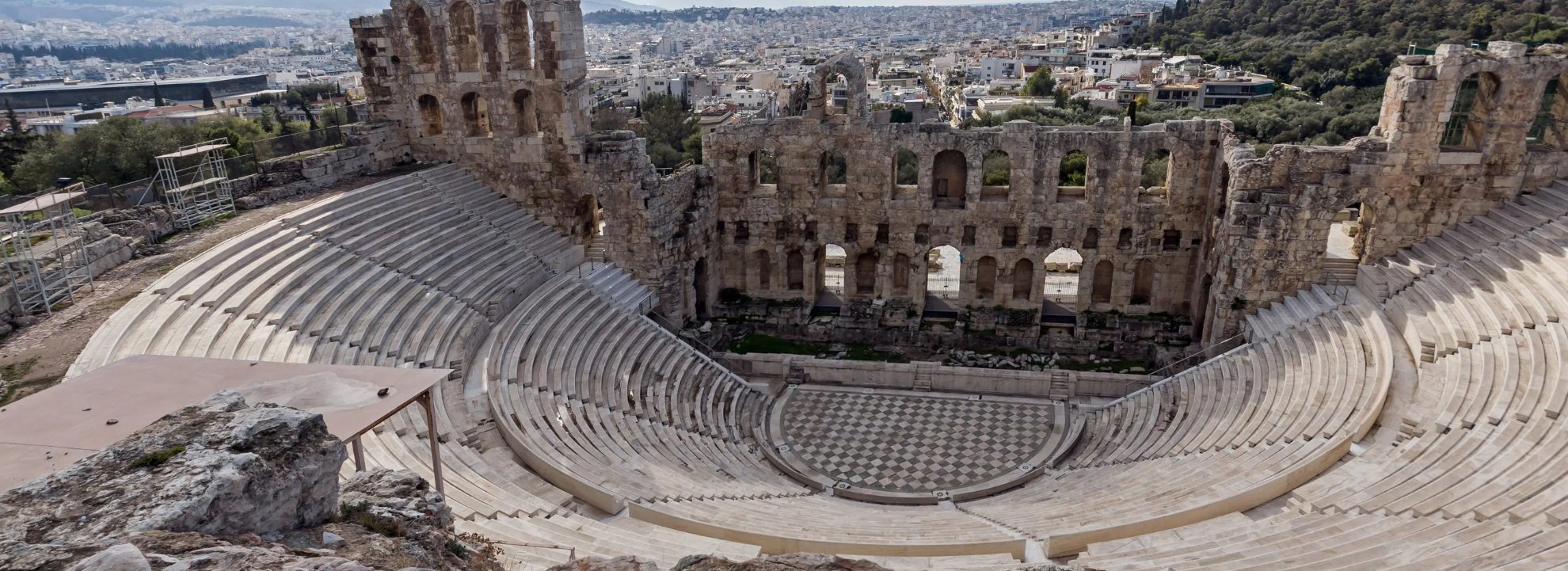
Culture need not disappear from a family holiday. Shorter archaeological visits, engaging explanations, and time for refreshments can make history more approachable than consecutive lengthy tours. Check whether proposed activities suit children’s ages and whether rest periods are genuinely free.
Use this decision framework:
- Mainland plus one island: Consider this when predictable routines, fewer hotel changes, and downtime matter most.
- A more ambitious multi-island route: Consider this when children handle travel well and the family enjoys movement – but examine every connection.
- A mainland-focused holiday: Consider this when historical interests outweigh island time, while checking road-transfer lengths carefully.
Confirm room occupancy, bed arrangements, and whether connecting rooms are guaranteed or merely requested. Ask about stroller access, steps, luggage handling at ports, and who rearranges services if transport schedules change. The same priorities underpin customized international family holidays: arrangements should reflect the family rather than an assumed average traveller.
When requesting an itinerary, share children’s ages, walking tolerance, preferred pace, and must-see interests.
For couples: balance atmosphere with meaningful experiences
A couple’s holiday can be designed around atmosphere or active exploration, and neither approach is inherently more romantic. The first may favour fewer bases, scenic accommodation, and leisurely coastal evenings. The second may prioritise archaeology, walking, food experiences, and guided discoveries.
Discuss your preferences before choosing the route:
- Would you rather spend an afternoon by the coast or exploring an archaeological site?
- Do lively towns appeal more than quieter stays?
- Would you enjoy private guiding, small-group activities, or mostly independent time?
- Are food and wine experiences priorities, or occasional additions?
Then examine whether the itinerary supports those answers. A hotel described as scenic may involve steps or transport to restaurants, while a central property may make spontaneous evenings easier. A private excursion means the booked service is exclusive to your party, not that the destination itself will be empty.
Look beyond the advertised ferry crossing to the complete hotel-to-hotel journey. Repeated packing and port transfers can consume the time intended for relaxation. Ask whether cultural visits can be balanced with open afternoons and evenings.
Confirm the exact room category, view description, excursion format, and any special arrangements in writing. Privacy, upgrades, and particular experiences should never be inferred from promotional photographs. Availability and customization depend on the selected itinerary and suppliers.
For curious explorers: choose depth over destination collecting
For curious travellers, Greece travel becomes more rewarding when an itinerary explains what they are seeing. Ancient Greece travel interests might call for archaeological guiding and museum time, while a biblical tour of Greece requires a clearly defined historical or faith-focused approach. These are different interests, so ask how the proposed experiences address yours.
A package should also leave space for ordinary discoveries: browsing a neighbourhood, trying regional dishes, or lingering somewhere unexpectedly interesting. “Off the beaten path” should mean a thoughtful, feasible route – not automatically a remote location or a less comfortable stay. Good transport planning makes independent exploration easier.
Use this checklist to assess depth:
- Cultural context: Is there meaningful time inside museums and sites, rather than brief exterior stops?
- Guide expertise: What subject knowledge, language skills, and guiding qualifications are relevant?
- Free time: Are independent hours usable, or mainly gaps between connections?
- Regional variety: Does the route offer contrasting landscapes, food, and local character?
- Responsible travel: Are visits respectful of residents, heritage rules, and natural surroundings?
Ask how much touring is guided and whether entrance reservations constrain independent time. A Greece travel guide book can help you identify questions and interests, but it cannot replace confirmed operational details. Check that transport leaves room for discovery rather than merely delivering you to the next overnight stop.
Match the route to the time available
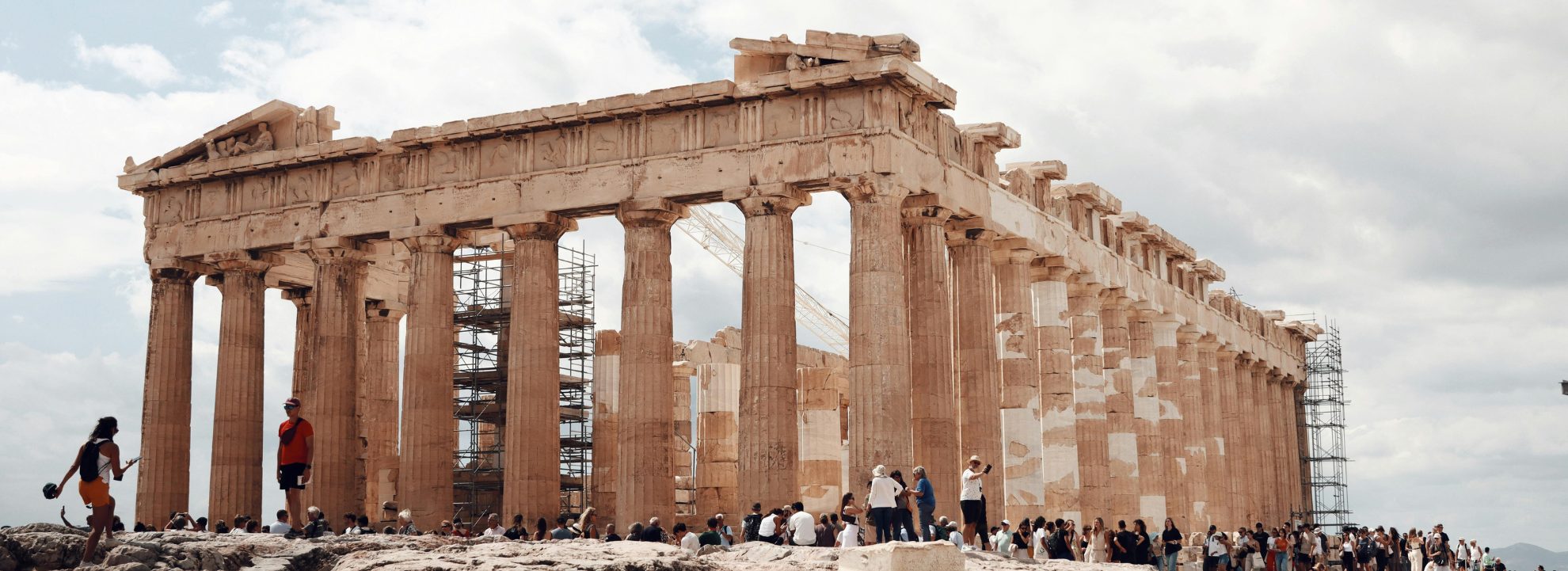
Your available nights should determine the route, not the other way around. For a shorter first visit, Athens and one well-connected island may be a useful starting point for discussion, subject to schedules and interests. A mainland-focused alternative may suit travellers whose answer to “why travel to Greece?” is primarily historical.
A longer holiday can potentially combine mainland history, island time, and slower regional exploration. However, additional nights do not justify adding a new destination every day. A broader Greece country tour still needs enough time at each base to make the journey worthwhile.
Build your Greece tour plan around these principles:
- Count usable destination days, not just calendar days.
- Check complete transfer durations, including waiting and check-in time.
- Avoid treating arrival evenings as full sightseeing days.
- Confirm seasonal ferry schedules and actual arrival times.
- Discuss suitable contingency time before the international flight home.
Ferry days count as travel days, even when the crossing is enjoyable. For bus travel in Greece, clarify whether the itinerary uses a private coach, shared excursion, or public service. Those arrangements offer different levels of flexibility and support.
A practical comparison checklist before booking
Use the same questions for every Greece tour package you shortlist. This makes differences visible and prevents an attractive inclusion from distracting you from an inconvenient route. Ask for unresolved points to be clarified in writing.
- Dates and nights: What are the travel dates, hotel nights, and arrival times?
- Route: How often will you change hotels, and why?
- Transport: Which flights, ferries, luggage allowances, and transfers are included?
- Accommodation: What are the locations, room types, bed configurations, and access arrangements?
- Activities: Are guides, admissions, reservations, and group sizes specified?
- Meals: Which are included, and can dietary needs be accommodated?
- Free time: How much remains after transfers and scheduled touring?
- Changes: What cancellation, amendment, and disruption terms apply?
- Documentation: What visa support is offered, without implying approval is guaranteed?
- Accessibility: Have mobility needs and practical limitations been checked?
- Assistance: Who provides emergency help, through which contact channels and operating hours?
If you are asking, “Is it safe to travel to Greece now?”, check a current official Greece travel advisory relevant to your nationality and route. General destination descriptions cannot establish present conditions. Recheck guidance before departure and discuss how disruptions would affect your arrangements.
FAQ: choosing the right Greece package
Are Greece tour packages suitable for first-time visitors?
They can be useful when coordinated accommodation, transport, and selected sightseeing reduce planning work. Look for clear instructions rather than assuming an escort accompanies every stage. Confirm whether support is available locally and whether independent periods suit your confidence level.
How do I choose between mainland and island-focused itineraries?
Start with the experiences you most want, not a presumed “essential” route. Mainland options may suit a history-led holiday, while an island-focused route can prioritise coastal stays and island character. Compare the actual connections, since neither format automatically means less travel.
Is a slower itinerary better for families?
Often, fewer hotel changes make routines and rest easier to manage. However, older children who enjoy active travel may prefer more variety. Match the pace to your family’s ages, energy, and interests rather than choosing a package solely because it carries a family label.
Can couples request more free time or private experiences?
Ask whether the package is customizable or follows a fixed group schedule. Private services and additional free time may be possible, depending on suppliers and availability. Request a revised itinerary showing what changes, what remains shared, and how the booking terms are affected.
What should curious travellers ask about guides and cultural experiences?
Ask who guides each visit, their relevant expertise, and the expected group size. Clarify whether experiences involve interpretation, admission only, or independent exploration. Also ask how long you spend at each location and whether there is time for questions.
What should I confirm about ferries, transfers, and accommodation?
Check sailing details, luggage arrangements, port pickups, hotel locations, and confirmed room categories. Establish who handles missed connections or cancellations and what costs may arise. Where EU package rules apply, they include organiser responsibilities and assistance obligations; confirm your own contract’s scope.
Choose the Greece holiday that fits you
The strongest package is not the one that tries to include everything. Families should compare pace and practicality; couples should consider atmosphere and shared experiences; curious explorers should look for depth and flexibility. Across all three, route quality and usable time matter more than destination count.
Start with your priorities, then test each itinerary against them. Explore Trails Blazer Tours’ international holiday options or contact Trails Blazer Tours to discuss dates, group size, interests, comfort preferences, and preferred pace. A tailored conversation can help clarify which Greece tour packages deserve a closer look – and which compromises you would rather avoid.