1800 266 8484
 9321914991
 vacations@tbi.co.in

An Enchanting Escape into Nature & Heritage
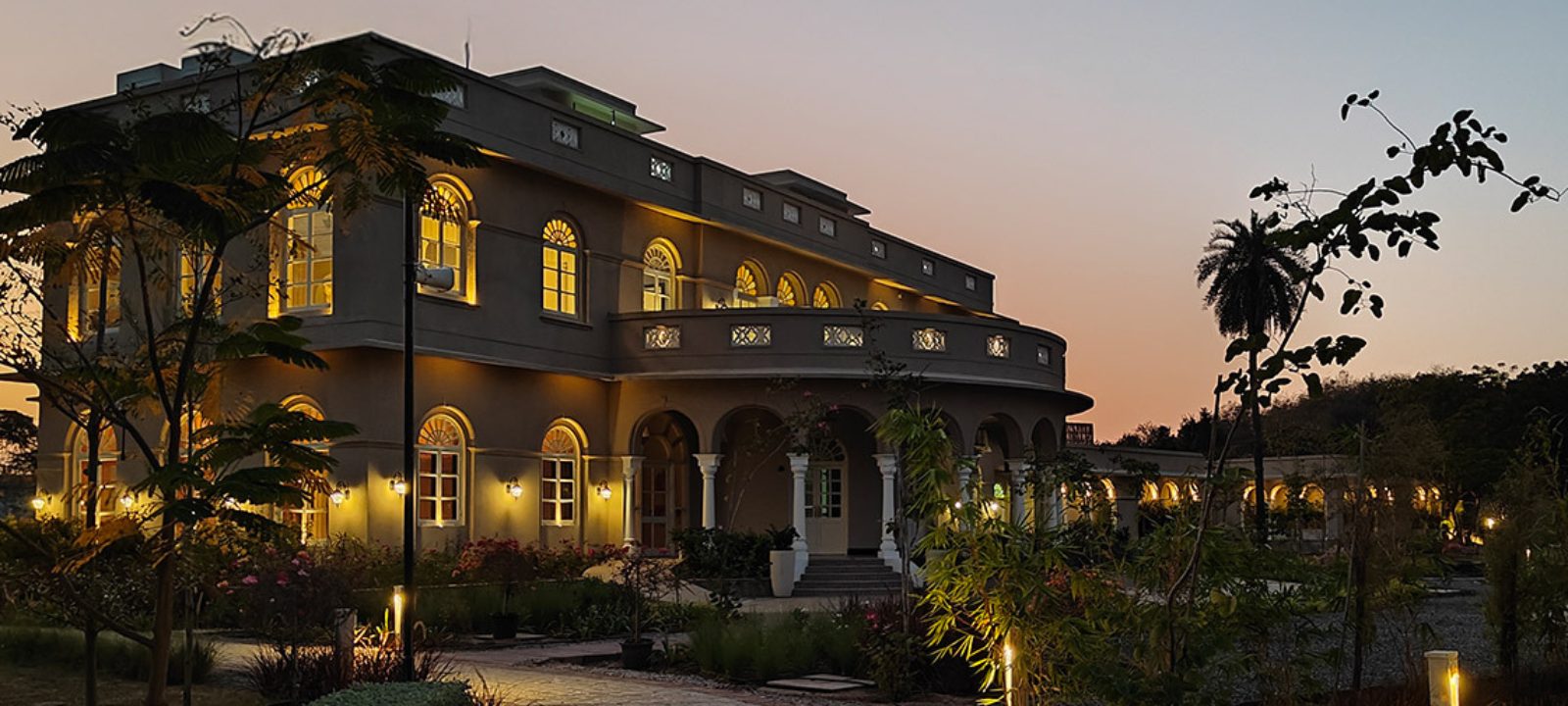
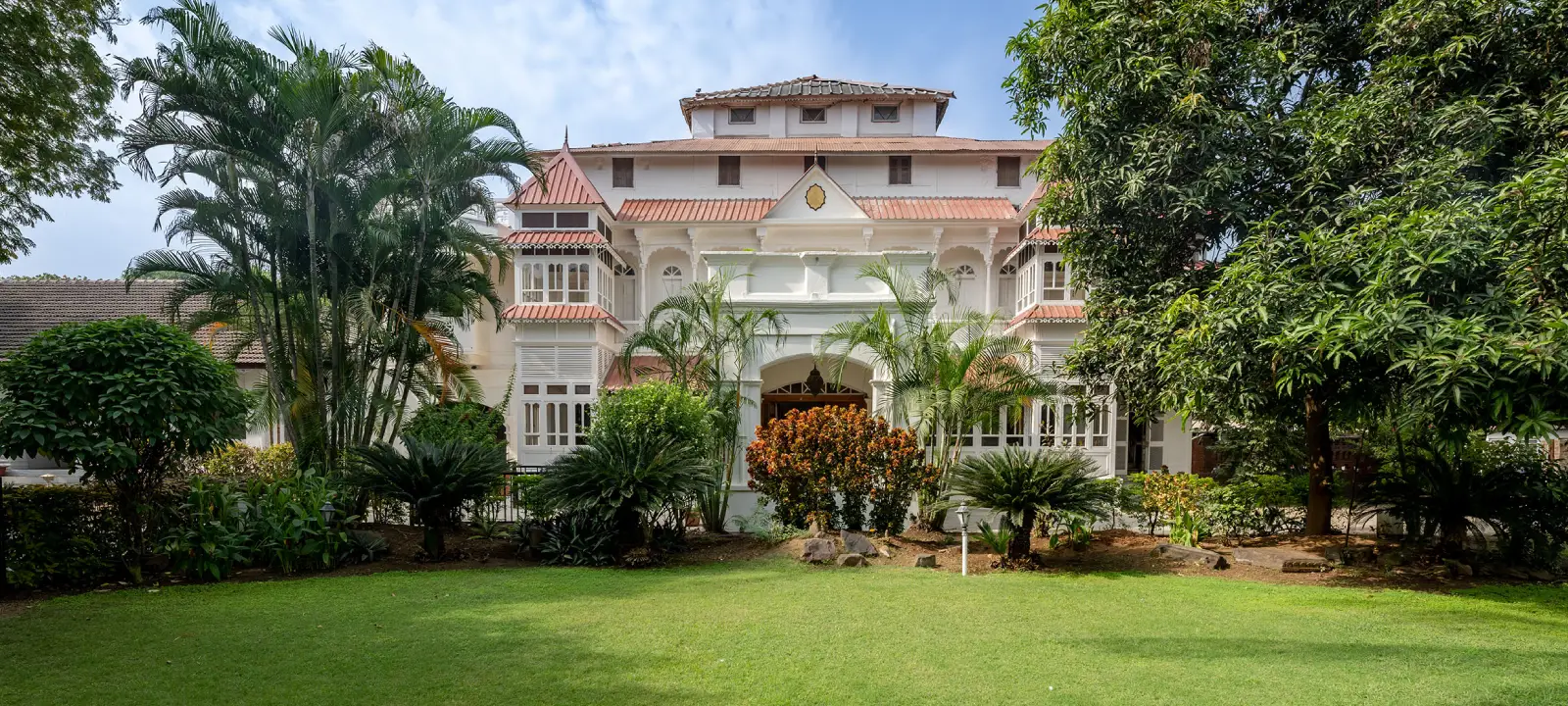
Not too far and just 80 kms east of Baroda/Vadodara, is a lovely country side known as Jambughoda. The one and a half hours drive is a pleasure by itself. You will be passing through Champaner, which is a world heritage site. The Jami Masjid monument situated here, has been identified as one of the endangered architectural beauties of the world. As you drive along further, the road goes over rivulets and meanders through a beautiful belt of lush green forests. It was with the help of Shri Rajiv Gandhi, our late prime minister, that these 130 square kilometers of forest area, which once belonged to the royal family of Jambughoda, was notified as the JAMBUGHODA SANCTUARY. Panthers, on the prowl, have been sighted on the estate by the royal family. Other animals and reptiles which reside in the forest are Four- horned antelopes, Blue bulls, Hyena, Porcupines, Wild hare, Pythons, Snakes etc. Over 200 species of birds visit the sanctuary in different seasons. Jambughoda has 40% adivasi (tribal) population which is mainly Rathwas and Naykas. Naykas have adopted the modern way of lifestyle. The more cultured of the two tribes are the Rathwas. They are handsome, colourful, and have their uniqueness. It is very interesting to have a glimpse of their lifestyle, culture, their Haats (tribal fairs) and Pithora paintings. Our heritage home (with 19 rooms) is spread across 12 acres of the Palace premise. Rooms and bathrooms are simple, yet dignified in their décor. A Home for Nature Lovers takes delight in hosting their guests in the wilderness. Home cooked organic food is served as buffets. Dinners are also organized around camp fires for the more adventurous ones. The food is slow cooked on wood to suit both the vegetarian and non-vegetarian palates. The recipes which have been passed on from one generation to another have been carefully selected for the guests. The family has tried to preserve the age old cooking methods and the flavours, which would have otherwise been lost in time. The best time to visit this lovely place is from October to March. We, at “A HOME FOR NATURE LOVERS” (Jambughoda Palace – A Heritage Home) take delight in caring for our guests in the wilderness. We have in the past hosted several corporate houses for their offsite trainings, team building programmes, group excursions, school children night outs and picnics, and family outings. Since we are very close to the forest, free from pollution, Schools and corporate houses have found our place suitable for outdoor activities which are an important part of the training and team building these days.
(A) Places of tourist interest near “A Home For Nature Lovers” and distance:
1- Champaner- a UNESCO world heritage site, (25 Kms)
2- Pavagadh (Mahakali Temple/ Cable car- 30Kms)
3. Hathni Mata and Water fall (20 kms) – During monsoons especially.
4. Kada Dam – in the Sanctuary (4 kms)
5. Suki Dam (21kms)
6. Targol Dam (14kms)
7. Zand Hanuman Temple (13kms)
8. Chhota Udepur (48kms) for Tribal haat on Saturday
9. Kavant (57kms) for tribal haat on Monday
10. Ghoghamba (45kms) for tribal haat on Sunday
11. Tejgadh (35kms) to see Bhasha Kendra-an NGO / museum set up by Dr. Devy to promote Tribal languages and culture.
12. Sankheda (40kms) for the world famous lacquered furniture-only place in the world.
13. Pithora painting at a tribal house – 6 kms
14. Wadhwana lake for migratory birds (45kms) – this is during winters from 15th November to 15th January.
15. The Tribal Museum in Chhota Udepur. (48 Kms)
16. Bhasha Kendra – A Tribal Academy and Museum run by the tribal for the tribal, Tejgadh (28 Kms)
17. Sardar Sarovar Dam (75 Kms)
18. Statue of Unity (Tallest statue in the world – 72Kms)
(B) Festivals:- Bhagoriya Festival: This is the festival of the tribals. It is mainly celebrated by the Rathwa tribe in our region, however the other tribes also join in the festivities. This festival starts a week before Holi. It is the time for the Rathwas to wear their traditional clothes, jewellery, and move in the weekly markets. The gents are generally dressed in a sort of a shirt with epaulettes and two pockets with a dhoti or a kachhdo (a mini wrap around). They meet and greet each other. They tie red/orange/green turbans on their heads. They may wear a bhoriyo (a bangle) made of silver or iron depending on their economic status. Women are beautifully dressed in their very colourful saree, ghaghra and blouses. They wear a lot of silver jewelry, on their nose, ears, neck, waist, hair, ankles. This is the time when the Rathwa community do their sales and purchases. The weekly markets are much more colourful and lively than usual. In the market, one can see vendors from the community and other communities, selling all kinds of spices, vegetables, farm implements, poultry, goats, cattle, oxen, baskets and other articles. Bhagoriya can be seen in the following villages on their respective days: Monday – Kavant (57kms), Tejgadh(27kms), Tuesday – Paanvad (55kms), Bakhatgarh (70kms) Wednseday – Rangpur (69kms), Jambughoda (1km), Bhikhapura ( 17kms) Thursday – Devhaat (60kms) Friday – Zoz (48kms) Saturday – Chhota Udepur (49kms), Sunday – Ghoghamba (38kms)
Holika Dahan: In the village of Jotvad, which is just behind the palace, on the full moon day the villagers gather around a huge pyre. This pyre is set on fire to commemorate/ celebrate the victory of good over evil. The whole village remains present for this ritual. Dhuleti at the palace: All the resident guests are invited by the royal family in their private courtyard to play Holi with colours and dance to the drum beats and flute played by the local (dholis) musicians. Sweets and soft drinks are offered to the guests. Chool no Melo: The Chool no Melo happens in Chhota Udepur on the day of Dhuleti after 2pm in the afternoon. In this fair, the tribals walk on burning charcoal. Paanibar Mela (Tribal Fair): This tribal fair happens on the next day after Dhuleti. It is a similar fair like that of Kavant, slightly smaller. Kavant Gher (Tribal Fair): This is a very important tribal fair which happens in Kavant every year. It happens two days after Dhuleti. Two to three dancing groups (tribals) from different tribal villages gather in Kavant and perform their dance almost through out the day moving from one lane to another. They paint their faces and bodies, wear heavily decorated peacock feathers on their heads, tie large bells on their waists, etc. On this day, hundreds and hundreds of tribal men and women beautifully dressed in their traditional attire visit Kavant to be a part of the festivities. You will notice that most of the time young women from the same group/ village will wear the same coloured clothes…almost like a uniform. This is because they either want to convey that they are from the same village/group or if it is a huge crowd then it is to identify or find each other quickly. It is also a time when young girls and boys from the Rathwa community find their life partners, often elope to get married! For visitors, it is truly a delight to just be there and follow the dancing groups as they dance away in gaiety! Photographer’s delight!
Navratri: This is the time to worship Goddess ” Shakti” in all its nine different forms. Thousands of men and women dress up beautifully in their traditional attire and dance around the garbo (a decorated, perforated clay pot representing the Goddess, fertility and the womb; the pot contains a lit diya symbolizing divine life and enegy) OR around the stage on which singers, musicians sing garbas in reverence of the goddess. The dances go on for two to three hours and culminate into doing the aarti in front of the statue/ Picture of the goddess. This dance festival goes on for nine days. For an immersive experience, join in the Garbha revelry and participate in the recently revived Heritage Garba at Baroda Palace . After the Mahakali Temple darshan at Pavagadh, reach Jambughoda for a sumptuous Durbari Lunch, followed by celebrations at the gram devi temple in the sanctuary premises along with village women.
Dashehra: On the 10th day after navratri is Dashehra. On this day as per the holy Ramayan, Lord Ram slayed the demon king Raavan who had abducted Lord Ram’s wife to his kingdom of Lanka, where he held her in the Ashok vatika. Ram, with the support of vanar king Sugreev and his army of Vanars launched an invasion against Ravan in lanka. Ravan was subsequently slain, and Ram rescued his beloved wife Sita. At Jambughoda palace the following rituals are performed on Dushehra: Ashwa pooja – A well decorated horse is worshipped with vermilion, rice, flowers, aarti and coconut. Gaadi/Shastra pooja – The throne (gaadi) and weapons (shastra) are worshipped. The rituals are performed by either the ruler or the heir apparent with the help of the priest. After this the priest blesses the ruler and his family in the darbaar. During the darbaar all the darbaaries (courtiers) pay their respects by offering garlands, flowers and circling a coin/ note around the Royal family members and putting it on the ground as a mark of respect. This is followed by sweets and tea & coffee. Vaahan pooja – Vaahan pooja is done in the beginning of the second half of the day when all the vehicles are worshipped. Samdi Pujan – The Royal family, the priest, the attendants and the villagers visit the holy Samdi tree. Samdi tree is considered holy because as per Mahabharat it is believed that the Pandavs had hidden there weapons in this tree during there exile period. The pooja is performed by the royal family members and the priest. Prasaad is distributed to everyone present. Dhaneshwari Mataji aarti – After the samdi pooja the paraphernalia proceeds to the Kuldevi Dhaneshwari mataji’s temple. Aarti is performed. Everyone returns to the palace where the ladies of the house welcome the gents. All the above rituals are performed by the Royal family gents in their traditional clothes and head gear ( turbans). Those who are attending are also expected to be dressed formally. In the evening, all those who were present during the day’s rituals plus other relatives and acquaintances are invited for a feast.
(C) EXPERIENCES:-
1. Nature Trails
2. Cooking Classes / Culinary Experience – Charges applicable
3. Community Interaction (If local guide is required then charges will be applicable)
4. Historical / Archeological Experience (Champaner – Unesco World Heritage Site) – entry ticket charges are applicable at the sites. (If local guide is required then separate charges will be applicable)
5. Visit to The Tribal Museum in Chhota-udepur – as per the entry charges at the site.
6. Visit to Bhasha Kendra – A Tribal Academy and Museum run by the tribals for the tribals – as per the entry charges at the site.
7. Vadhwana sanctuary to see migratory birds during December – January – February. If naturalists services are required then charges will be applicable.
8. Social Initiative Experiences
9. Lake Side High Tea and sunset – Charges applicable
10. Farm Tours – Tractor Rides – Charges applicable
11. Yog / Meditation Retreats (Yog/meditation instructor will have to be managed by the tour operator/Group leader)
12. Festivals – Holi (The Bhagoria Tribal Festival in tribal villages around Jambughoda such as Panibar Tribal Fair, Kawant Gher Tribal Fair) – If Local Guide services are required then charges are applicable
13. Navratri (Garbas at Vadodara Palace) – Entry charges and escort charges are applicable
14. Dushehra celebration at Jambughoda Palace
15. Night Safaris – Naturalist charges will be applicable.
16. Explore the biodiversity of the area with an expert – expert charges applicable
(D) Type of Meals Served :– A Home for Nature Lovers – Jambughoda Palace, takes delight in hosting their guests in the wilderness. Home cooked organic food is served al fresco and dinners are also organized around camp-fires for the more immersive travelers. The food is slow cooked on wood to suit both the veg and non-veg palates. The recipes which have been passed on from one generation to another have been carefully selected for the guests. The family has tried to preserve the age old cooking methods and the flavours, which would have otherwise been lost in time. We welcome you to come and try our piece of India and take back with you the delectable flavours of the past.
1. Regular Meal (Served alfresco in our semi-open dining area) (2 of our home grown vegetables, accompanied with a Desi non-veg dish, Dal, Rice, Salad, Papad, a Side-Dish , Assorted Rotis & a Sweet Dish)
2. Special Meal (served in our Monogram Crockery) (3 of our home grown vegetables , 2 Non-Veg Dishes, Dal, Rice, Salad, Papad, Side-Dish & 2 Sweet Dishes , Chhaach, Curd, Assorted Rotis)
3. Durbari Thali (served in Silver Thalis in our private dining verandah) Hosted by one of the Royal family members. (Partially pre-plated includes three of our home grown vegetables , 3 Non-Veg Dishes, Dal, Kadi, Pulao, 2 Salads, Papad, 2 Side-Dishes & 2 Sweet Dishes , Chhaach, Curd, Chutneys, Pickles, Assorted Rotis etc)
(E) Connectivity from Jambughoda Palace: Vadodara Airport (Gujarat) – 68 Kms(1 hour) (Nearest Airport) Ahmedabad Airport (Gujarat) – 184 Kms (3 hrs. 20 Min) Velavadar Blackbuck Sanctuary (Gujarat) – 251 kms (4 hrs.10 min) Bhavnagar (Gujarat) – 279 kms (4 hrs. 45 min) Udaipur (Rajasthan) – 340 Kms (6 hrs) Dungarpur (Rajasthan)- 225 Kms (4 hrs 30 Min) Maheshwar (MP) – 237 kms (5hrs. 40min) Mandu (MP) – 230 kms (5hrs.30min) Dhar (MP)- 226 kms (4hrs. 50min) Mumbai (Maharashtra) – 450kms (7hrs) **Our property is suitable for extensions from and to Rajasthan, Madhya Pradesh, Maharashtra.
For more information click on the link below: