1800 266 8484
 9321914991
 vacations@tbi.co.in



Explore the Best France Tour Packages with TBi
Best Time to Visit Paris
Spring (April–June) brings blooming parks and reopened café terraces, though late spring can mean crowds and higher rates. Summer (July–August) has the longest days but the busiest queues, and some smaller restaurants close in August when Parisians take their own holidays. Autumn (September–November) is a favourite for repeat visitors — mild weather, thinner crowds, good park colour. Winter (December–March) is quieter and colder, with shorter days but fewer museum queues and festive markets in December.
There’s no single correct season — a family may be tied to school breaks regardless of crowds. When comparing packages, check whether price and inclusions shift with the season, since some outdoor experiences run on a limited calendar.
Cuisine of France
Paris is a natural base for exploring French food beyond restaurant dinners. Neighbourhood markets, open daily or on set mornings, show regional produce and cheese more clearly than menus do. Classic dishes — onion soup, steak-frites, duck confit — sit alongside regional specialities from elsewhere in France that have found their way onto Paris menus.
Bread and pastry are taken seriously enough that the city runs an annual competition for its best baguette, and a pastry-focused morning is a small but memorable addition to a sightseeing-heavy itinerary. Cheese and wine pairing sessions, and hands-on options like a market visit followed by a cooking class, suit food-focused travelers better than pure sightseeing days. Check whether meals beyond breakfast, or any food-specific experiences, are built into your package or offered only as extras.
Wine Tours from Paris
Paris isn’t a wine-producing region itself, but it sits close to several well-known ones, making wine touring a popular add-on.
- Champagne — roughly two hours away, the most commonly booked wine day trip, typically including a cellar visit and tasting at an established house.
- Loire Valley — known more for châteaux, though vineyards are often visited alongside a castle tour.
- Burgundy — further out, usually needing a full day or overnight stay, better suited to travelers with a specific wine interest.
- In-city tasting — wine bars and guided sessions covering several regions in one evening, a reasonable option when time is short.
Check whether a wine tour is part of your package itinerary or needs booking separately, since cellar visits often require advance reservation.
Niche and Specific Experiences
Beyond standard sightseeing, Paris supports narrower interests that a generic package may not cover: fashion and design history tours, early-morning photography walks, literary Left Bank tours tied to well-known 20th-century writers, and architecture tours focused on Haussmann-era buildings or Art Nouveau Metro entrances.
Families should ask specifically about interactive science museums, park puppet shows, and boat rides suited to younger children. Travelers with mobility needs should ask about step-free Metro access and museum accessibility, since this varies by attraction. These rarely appear on a standard itinerary unless requested directly.
Offbeat Destinations Around Paris
For repeat visitors or anyone wanting to see beyond the centre: Canal Saint-Martin and Belleville offer a quieter, residential feel; Père Lachaise Cemetery doubles as a large, tree-lined park; sections of the disused Petite Ceinture railway have become walking paths; La Défense offers a modern architectural contrast to the historic centre; and Fontainebleau Forest gives hiking and climbing terrain popular with locals on weekends.
Charming Villages Near Paris
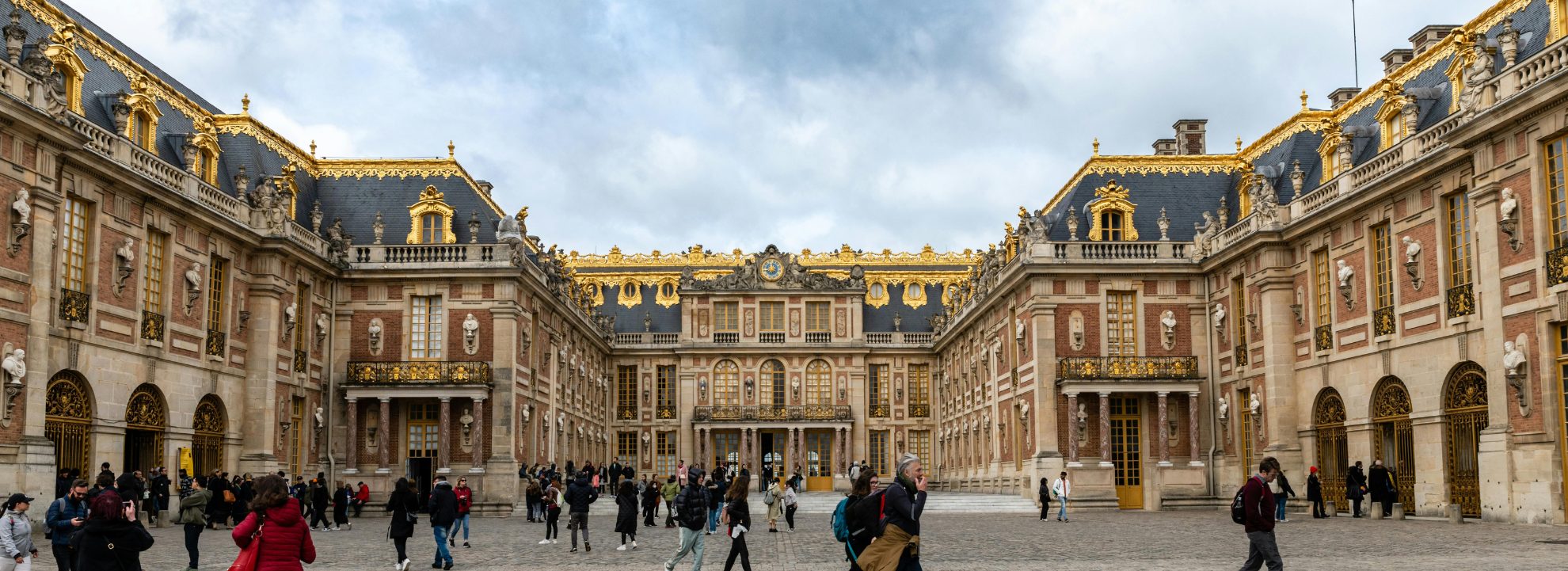
Several villages within day-trip distance offer a different pace from the city. Giverny, about an hour away, is Claude Monet’s former home and garden — popular with art and garden lovers. Provins is a well-preserved medieval fortified town, less visited by international tourists. Auvers-sur-Oise is linked to Van Gogh’s final months. Chantilly pairs a château with the whipped cream that takes its name from the town, and is generally quieter than Versailles. Barbizon, near the Fontainebleau forest, is tied to a 19th-century school of landscape painters.
Check whether a village visit is a scheduled stop or something to arrange independently — some are an easy train ride, others suit a guided day trip better.
French Culture
A few habits shape how comfortably a Paris trip goes. Meals run later than many travelers expect and are treated as an occasion to linger, not rush. A simple “Bonjour” when entering a shop or café is a small, appreciated courtesy. Many smaller shops and some restaurants close on Sundays or for stretches in August. Some museums restrict photography in certain rooms, and quieter behaviour is generally expected in galleries. Public holidays can affect opening hours and transport schedules, so it’s worth checking the calendar against your travel dates.
Start with the Paris trip you actually want
A romantic Paris break often needs a different rhythm from a family holiday. Couples may place more value on a well-located hotel, a Seine evening cruise, and open evenings for cafés or neighbourhood walks. Families may care more about room arrangements, manageable walking distances, familiar meal options, and activities that hold a child’s interest. No single plan suits both groups equally well.
Families may also want to compare packages that include Disneyland Paris, home to Sleeping Beauty Castle and classic lands, with Disney Adventure World, featuring Marvel Avengers Campus and immersive worlds.
First-time visitors often want guidance around the Louvre, Eiffel Tower, Notre-Dame area, Montmartre, and a river cruise. Returning visitors may prefer food markets, smaller museums, Versailles, or a day outside the city. For wine and countryside experiences, regional hubs are often the best base, whether you are planning Provence lavender tours, Bordeaux wine tasting, or exploring Burgundy vineyards. If Paris forms part of a wider France holiday, check how much time the package spends in transit. A rushed arrival from another city can take away half a sightseeing day.
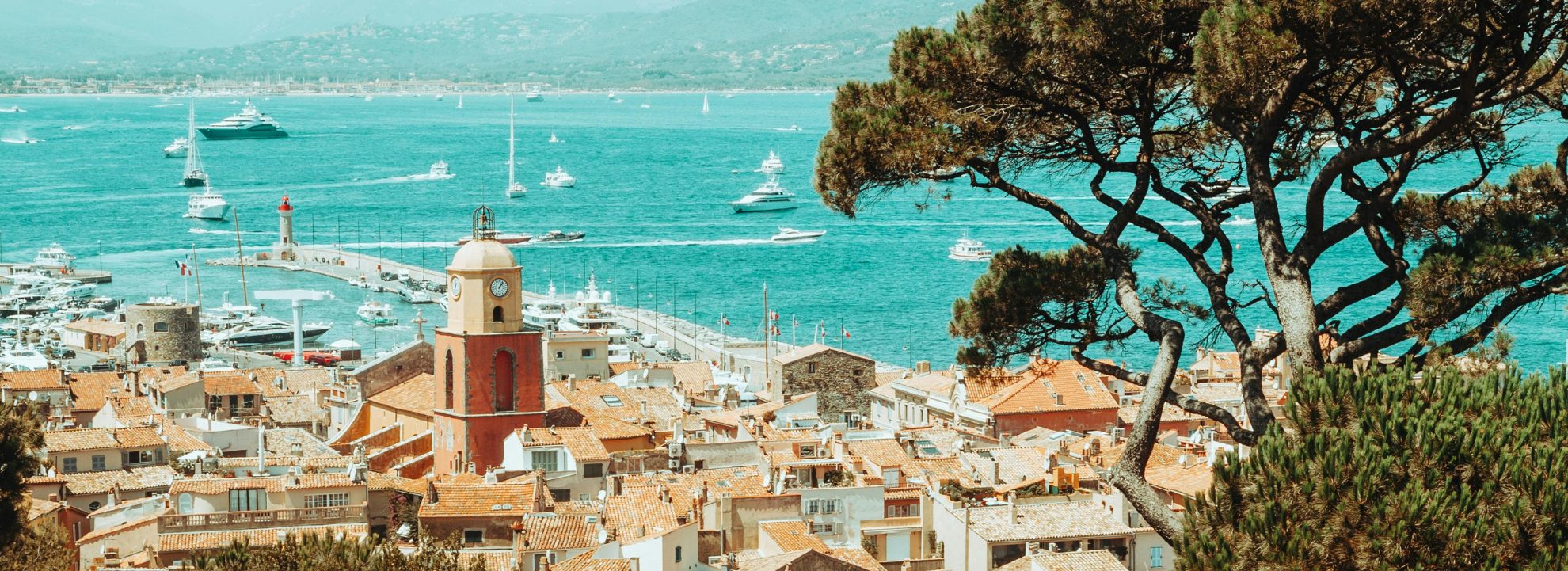
A French Riviera road trip can cover Nice, the cultural heartbeat of the coast and a destination for some of the world’s best beaches; Cannes, famous for its Film Festival, red-carpet glamour, and golden sands; Grasse, the undisputed perfume capital of the world; and Monaco and Monte-Carlo.
Pause before comparing brochures and write down your priorities:
- Your trip purpose: Is it a short celebration, a first European holiday, or one stop on a longer journey?
- Your non-negotiables: Name two or three sights or experiences you would be disappointed to miss.
- Your pace: Would you rather start early with a guide, or keep afternoons open for independent wandering?
- Your group’s needs: Note children’s ages, mobility needs, food preferences, and room requirements.
- Your comfort with local transport: Some travelers enjoy the Metro. Others would rather have transfers arranged.
Honestly, the clearest package choice often starts with saying no to things you don’t want. A full-looking itinerary isn’t automatically a better one.
For a deeper look at planned holidays versus arranging every piece yourself, see how curated travel experiences compare with DIY travel for Indian travelers. The right balance depends on how much decision-making you want to do once you arrive.
Compare what a Paris package includes
Package names can be vague. “Paris discovery” may sound like it covers major sights, but the written inclusion list tells you what you are actually paying for. Read it slowly, including the notes below the itinerary. If a detail matters to you, ask for a written confirmation before booking.
Included activities are part of the quoted arrangement. Optional activities sit outside the base price and may need advance booking. Add-ons can range from room upgrades to private transfers, meals, or guided excursions. Those distinctions matter, especially when two packages have similar headline costs.
| Item | Included | Optional or add-on | Questions to ask |
| Accommodation | Hotel nights, stated room category | Upgrade, single room, extra bed | Which hotel or area is planned? What room setup applies? |
| Transfers | Airport or station pickup and drop | Private vehicle, late-night pickup | Is the transfer shared or private? What happens after a delay? |
| Sightseeing | Listed guided visits or tours | Extra excursions, evening experiences | Are entry tickets included, or only transport and guide service? |
| Meals | Breakfast or selected meals | Lunches, dinners, dietary requests | How many meals are included, and where are they served? |
| Local transport | Metro pass, coach, or transfers on tour days | Travel during free time | Will I need separate tickets for independent plans? |
| Support | Contact person or tour manager | Personal concierge-style assistance | Who should I call outside scheduled touring hours? |
Airfare may or may not sit inside a Paris package, so don’t assume. Also check for city taxes collected by the hotel, meals not listed in the itinerary, travel insurance, tips, luggage fees, and transport between activities you have planned yourself. These aren’t bad terms; they just need to be visible before you compare totals.
Museum access needs the same close reading. A pass can cover admission to participating museums, but timed bookings or separate rules may apply at certain sites. Review the current Paris Museum Pass conditions and participating venues before treating a pass as a shortcut to every attraction on your list.
The thing is, an inclusion only has value if you would have bought it anyway. A guided visit you genuinely want may justify a higher package total. A string of optional extras that you feel pressured to add? Less appealing.
Hotel location matters more than a star rating
A hotel’s address changes the texture of a Paris stay. Staying near a Metro station can make the city feel much more manageable after a late dinner or a museum day. A central base may put you within easier reach of the Seine, the Louvre area, Le Marais, or Saint-Germain-des-Prés. It may also raise the accommodation cost.
Neighbourhood character matters. Le Marais has lively streets, food spots, and a historic feel. The Latin Quarter can suit travelers who want cafés and access to the Left Bank. Areas around Opéra or the Grands Boulevards can be convenient for transport and shopping. A hotel beyond the most visited central arrondissements may bring more space or a quieter evening, though you should check the door-to-door journey time.
Ask for more than a hotel category. Find out:
- the nearest Metro or RER station and walking time;
- the planned room type, bed arrangement, and whether family rooms are confirmed;
- lift access, step-free entry, accessible bathrooms, or other mobility details;
- breakfast style and service hours;
- the hotel’s name or at least its confirmed area and category.
Star ratings describe facilities and service criteria, not your daily travel time or room size. A smaller hotel near your preferred sights may suit a short visit better than a higher-rated property requiring long rides each morning. Personal preference counts. I’d take a pleasant, well-connected base over an elaborate lobby far from my plans.
A full itinerary can become tiring fast
Arrival day is where many schedules go wrong. International travelers may land tired, wait for bags, clear formalities, and face traffic into Paris. Booking a major museum visit soon after arrival sounds efficient on paper. In real life, it can turn into a stressful dash.
A highlights-focused package may schedule a guided city tour, major landmark entry, and selected meals across a short stay. That structure works for travelers who prefer clear plans and don’t want to figure out ticketing on the move. Others will want open windows for a bakery breakfast, an unplanned stroll along Canal Saint-Martin, or extra time at a gallery that catches their interest.
Here’s a useful way to test any day in the itinerary: look for one main experience, then nearby smaller plans, then breathing room. A timed Louvre entry, for example, pairs more comfortably with a walk through the Tuileries and lunch nearby than with a cross-city dash to Montmartre before dinner. Paris looks compact on a map, yet queues, security checks, weather, and walking all take time.
Check the order of activities too. Does the itinerary cross the city repeatedly? Are scheduled visits tied to timed entry? Does it state how you will travel between stops? A coach tour may cover ground quickly, but it won’t replace time on foot in a neighbourhood you enjoy.
And leave room for life happening. Rain changes outdoor plans. Children need a break. You might find a tiny bookshop and stay longer than expected. Not ideal for an overly rigid schedule, but often the part people remember.
Work out the real cost of Paris travel packages
The lowest starting price can mislead you if it excludes items you know you will need. Compare each package on a total-trip basis, not just on the displayed rate. Ask if the amount is per person, based on two people sharing a room, tied to a certain travel period, or subject to hotel and flight availability.
Build a simple personal budget beside the package quote. Include international flights or rail travel to Paris, accommodation, listed tours, extra attraction tickets, meals not covered, local travel during free time, travel insurance, city taxes, tips, shopping, and any preferred upgrades. Indian travelers should also ask how the quote handles currency conversion and payment timing.
Local transport is worth checking in advance. The Paris Visite travel pass has defined zones and validity periods, so it may suit one itinerary and be poor value for another. A package that includes a transport pass can be convenient; a traveler staying near many sights may not need it every day.
Here’s the comparison that catches people out: Package A has a lower initial figure but leaves airport transfers, key sightseeing, and transport to you. Package B costs more at the start, yet includes those parts. Neither choice wins automatically. Add the likely cost of the missing pieces to Package A, then weigh the convenience of pre-arranged plans against the freedom to choose locally.
Point being, value is personal. Pay for the parts of a trip that matter to you, rather than paying for a longer list of things you may skip.
Dates, terms, and help during the trip
Booking terms deserve the same attention as the hotel photos. Ask when the deposit is due, when the remaining amount must be paid, and how cancellation charges change as departure approaches. Read the policy for name corrections, date changes, and missed services. If an organiser is established in the European Union, package-travel rules can cover certain linked travel arrangements and organiser responsibilities, though the exact position depends on the booking setup and provider.
International travel paperwork needs an early check. Passport validity, visa rules, travel insurance requirements, and entry procedures can change. Confirm current requirements through official channels and ask your provider what documentation they need from you. Don’t rely on an old social-media post. It’s a surprisingly common source of trouble.
Before you pay, get clear answers to these questions:
- What are the deposit, balance-payment, change, and cancellation deadlines?
- Who coordinates the airport or station transfer, and what is the procedure after a delay?
- Can you note dietary requirements, wheelchair needs, or a child’s bedding request?
- Is there a local emergency contact or a round-the-clock assistance number?
- Which services need advance reservations, and what happens if a venue closes or changes its hours?
A good travel partner won’t brush off these questions. For Indian travelers arranging an international holiday, what to expect from international travel services can help you prepare for the planning conversations ahead.
A quick way to compare package choices
Put each package into one note or spreadsheet and score it against the same eight checks. Keep the documents, not just the sales summary, beside you while doing it. Ten quiet minutes can reveal a lot.
- Does the itinerary suit the reason you are visiting Paris?
- Is the hotel area convenient for the places you care about?
- Can everyone in your group handle the planned pace?
- Are hotels, meals, tickets, transfers, and free-time transport clearly marked as included or extra?
- Have you added likely out-of-pocket costs to the total?
- Does the plan leave enough time for independent discovery?
- Can you accept the payment and cancellation terms?
- Do you know who will help if travel plans change?
If two choices score closely, choose the one with clearer details and fewer assumptions. A package should feel understandable before you leave home. Confusion rarely improves at an airport check-in desk.
Choose a Paris package that fits your own plans
A thoughtful comparison leads to a calmer Paris stay. You’ll know where you are sleeping, how you will reach the hotel, which entries are already arranged, and where you still have freedom to follow your own interests. That knowledge can make room for the good parts: a long lunch, a river view at dusk, or a museum visit without constant clock-watching.
Once you know your dates, group size, preferred hotel style, pace, and priorities, review the available choices with those details in mind. The team at Trails Blazer Tours can discuss Paris package options and help you examine the practical details before you decide. Bring your questions. They’re part of planning well.
Frequently asked questions
Are Paris travel packages suitable for first-time visitors?
They can work very well for a first visit, especially if you want hotel arrangements, transfers, and major sightseeing organised before departure. Look for a package with enough guidance around key sights but some open time for your own discoveries. Check exactly which tickets and transport services are included rather than relying on the package name.
Can I choose how much free time I have?
Some fixed itineraries have limited flexibility, while private or customised plans may leave more unscheduled hours. Ask to see the day-by-day schedule before booking, including start times and travel between visits. If independent exploration matters to you, say so early instead of trying to fit it around a packed programme later.
Do Paris packages include airport transfers?
Some do, while others leave transfers outside the quoted price. Ask if the transfer is private or shared, which airport it covers, and what happens if your flight arrives late. You should also confirm luggage limits, pickup instructions, and whether a return transfer appears in the itinerary.
How many days should I plan for Paris?
Four to five nights give many first-time visitors enough room for major sights and a slower day or two. A shorter stay can still work if you focus on a small number of priorities and stay in a convenient area. Add time if you want Versailles, Disneyland Paris, or onward travel through France.
Can a package be adapted for families or special needs?
Some travel plans can be adjusted for connecting rooms, family-friendly activities, dietary requests, mobility support, or a gentler sightseeing pace. Changes depend on hotel availability, transport arrangements, and attraction access, so raise these needs before confirmation. Ask for every agreed adjustment in writing.